


Clarence Darrow statue and bronze relief
Clarence Darrow (April 18, 1857 - March 13, 1938) was a renowned American lawyer who rose to prominence in the late 19th century for his high-profile defense of labor leaders and trade union causes. In the 20th century, he became nationally recognized for several landmark criminal cases, including the Leopold and Loeb murder trial in Chicago (1924), the Scopes “Monkey” Trial in Dayton, Tennessee (July 10–21, 1925), and the Ossian Sweet defense in Detroit (1925–1926). A leading member of the American Civil Liberties Union, Darrow was also a vocal advocate for Georgist economic reform. He was widely respected as a powerful public speaker, debater, and writer.
The Scopes “Monkey” Trial—officially The State of Tennessee v. John Thomas Scopes—was a landmark 1925 legal case that drew national attention to the conflict between science and religion in public education. Darrow defended John T. Scopes, a high school science teacher charged with illegally teaching evolution, while William Jennings Bryan served as the prosecutor.
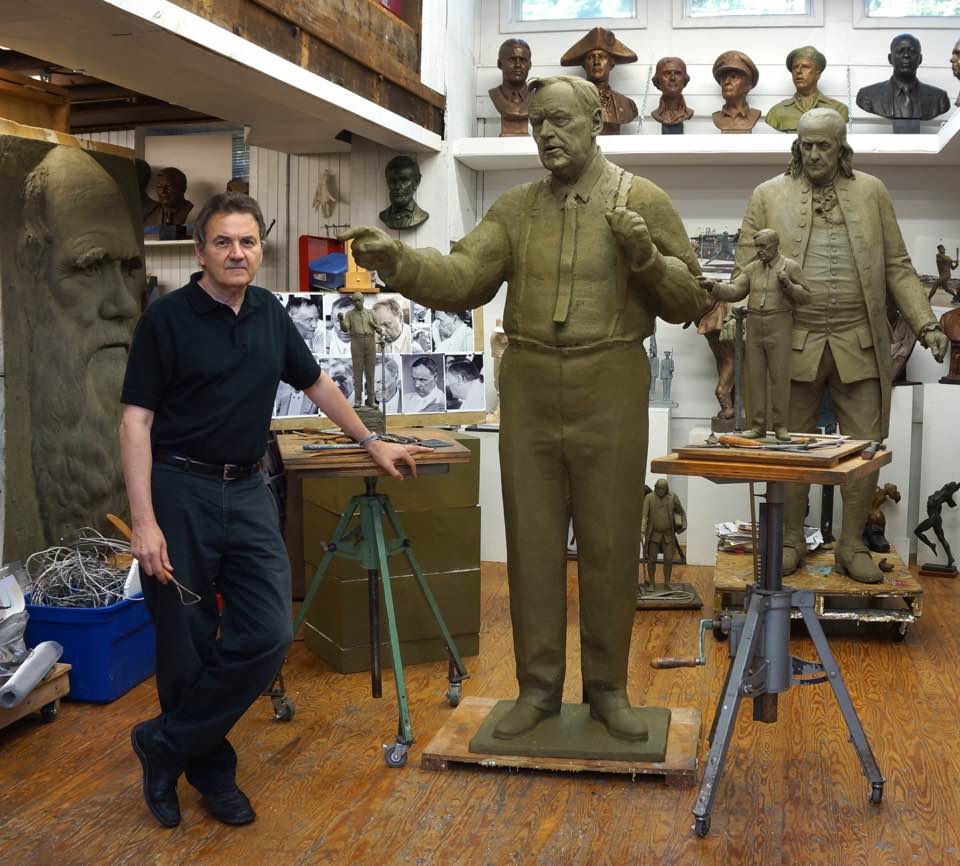
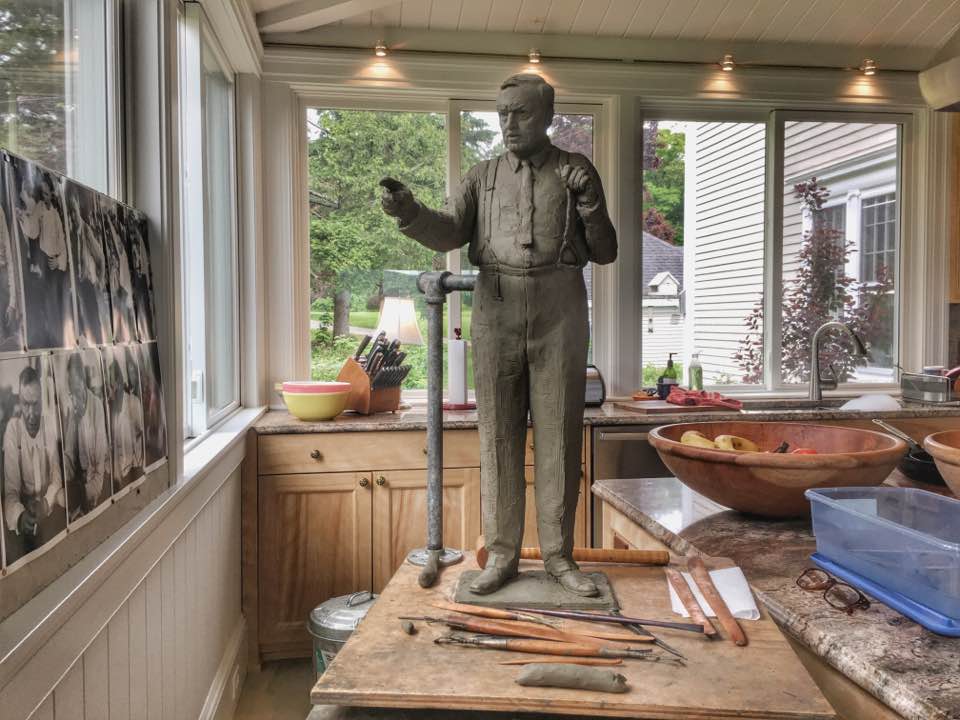
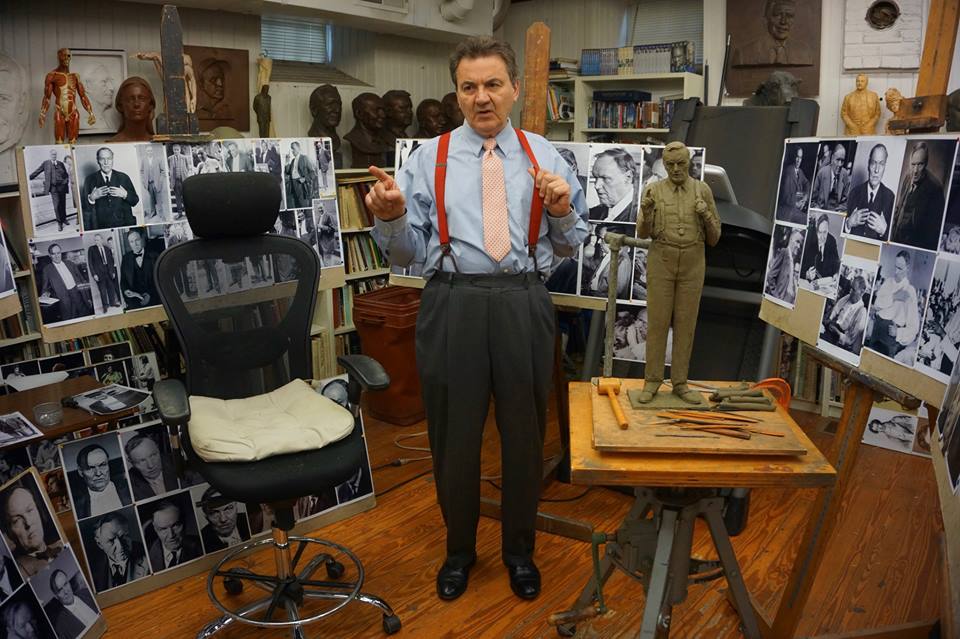
The sculpture honoring Darrow now stands fittingly on the front lawn of the Rhea County Courthouse, the site of the historic trial. The seven-foot bronze statue faces a statue of his courtroom adversary, William Jennings Bryan, installed in 2005 on the opposite lawn. Together, the two sculptures symbolize the enduring legal and cultural debate between science and religion—a conversation that continues in American education today.
The Darrow sculpture also features a bronze relief depicting Darrow and Bryan in discussion, embedded on the side of the base. The rust-colored granite pedestal was designed to complement the tones and textures of the historic courthouse. The statue was unveiled during the annual Scopes Trial Festival, celebrating Darrow’s legacy and the lasting significance of the trial.
⭐America 250 — Clarence Darrow: Champion of Civil Liberties
Clarence Darrow was a renowned American lawyer who first gained national recognition in the late 19th century for defending labor leaders and trade union causes. A leading member of the American Civil Liberties Union and an outspoken advocate of Georgist economic reform, Darrow was celebrated for his formidable skill as a public speaker, debater, and writer.
In the 20th century, he became best known for several landmark cases, most notably the 1925 Scopes “Monkey” Trial in Dayton, Tennessee. This pivotal case brought nationwide attention to the clash between science and religion in public education—an issue that continues to shape American civic debates today.
Statue size: 7-foot high statue
Base: Granite, 3-foot high, relief sculpture of Darrow and Bryan on side
Relief sculpture: Relief sculpture of Clarence Darrow and William Jennings Bryan
Media: Bronze statue and relief sculpture
Dedication: July 14, 2017
Location: Rhea County Courthouse, Dayton, Tennessee
Inscription on Plinth:
CLARENCE DARROW
ATTORNEY FOR THE DEFENSE
Related Sculptures: