
Martin Luther King, Jr. and Freedom
Martin Luther King, Jr. and Freedom
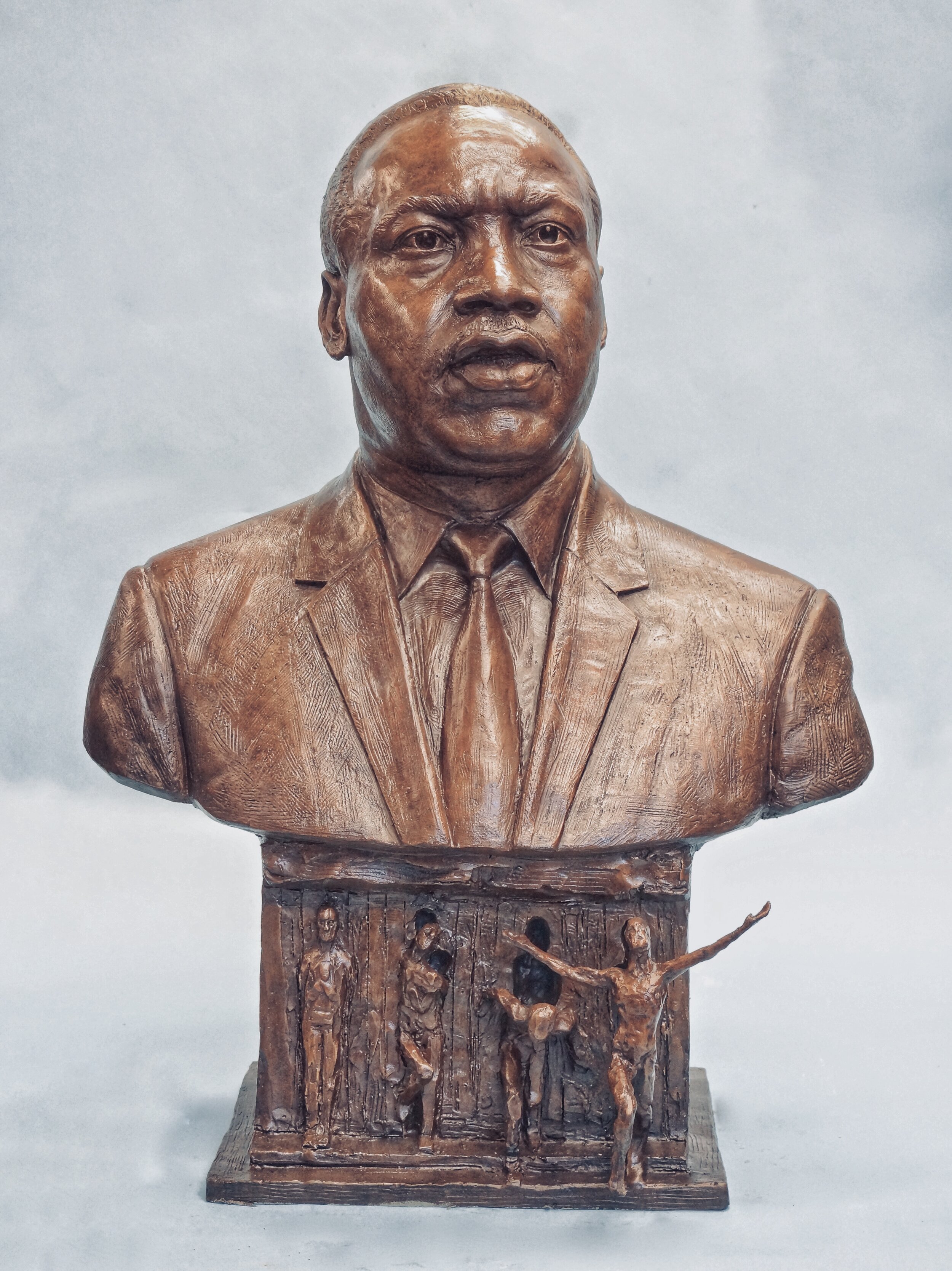
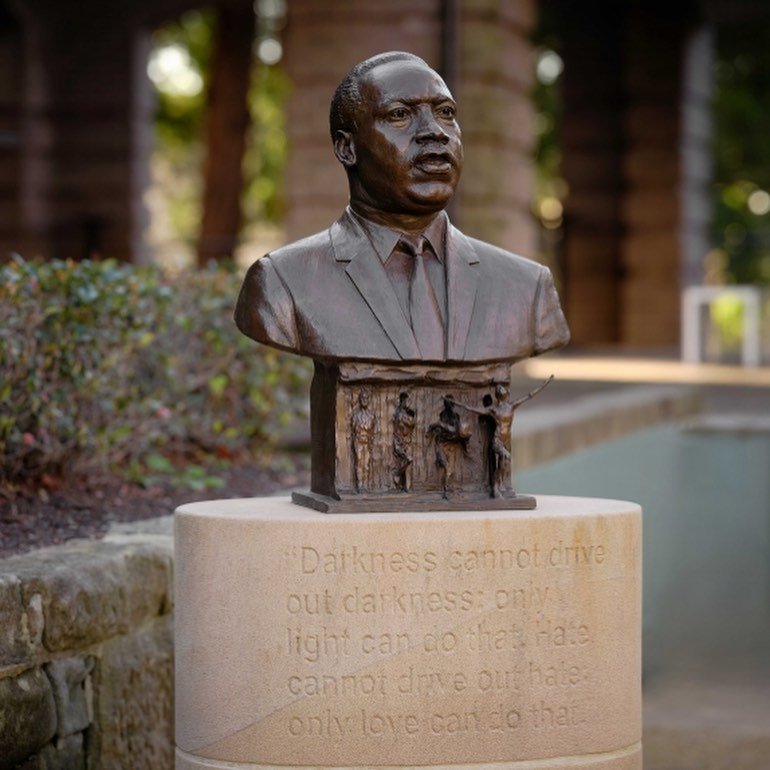
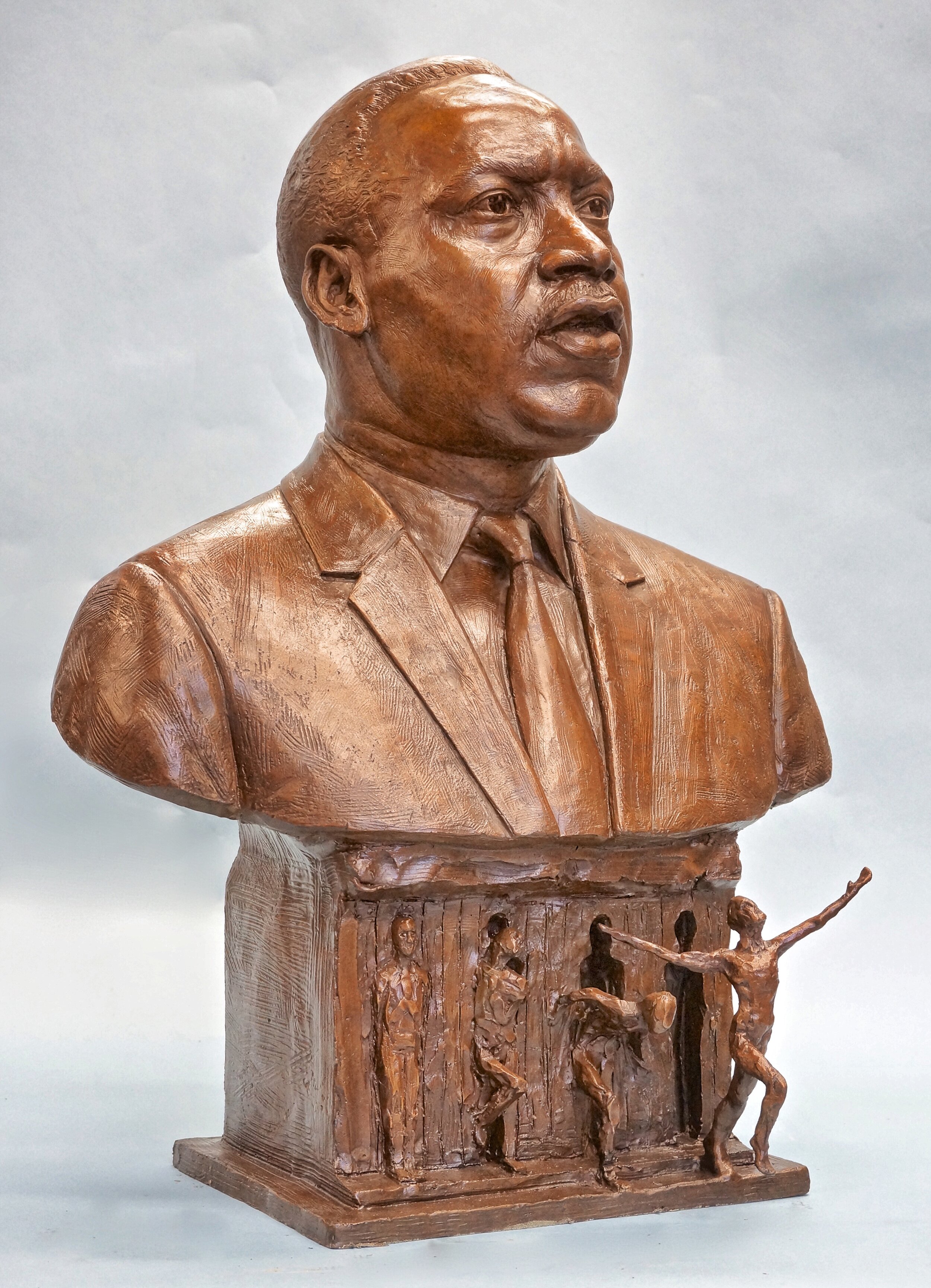
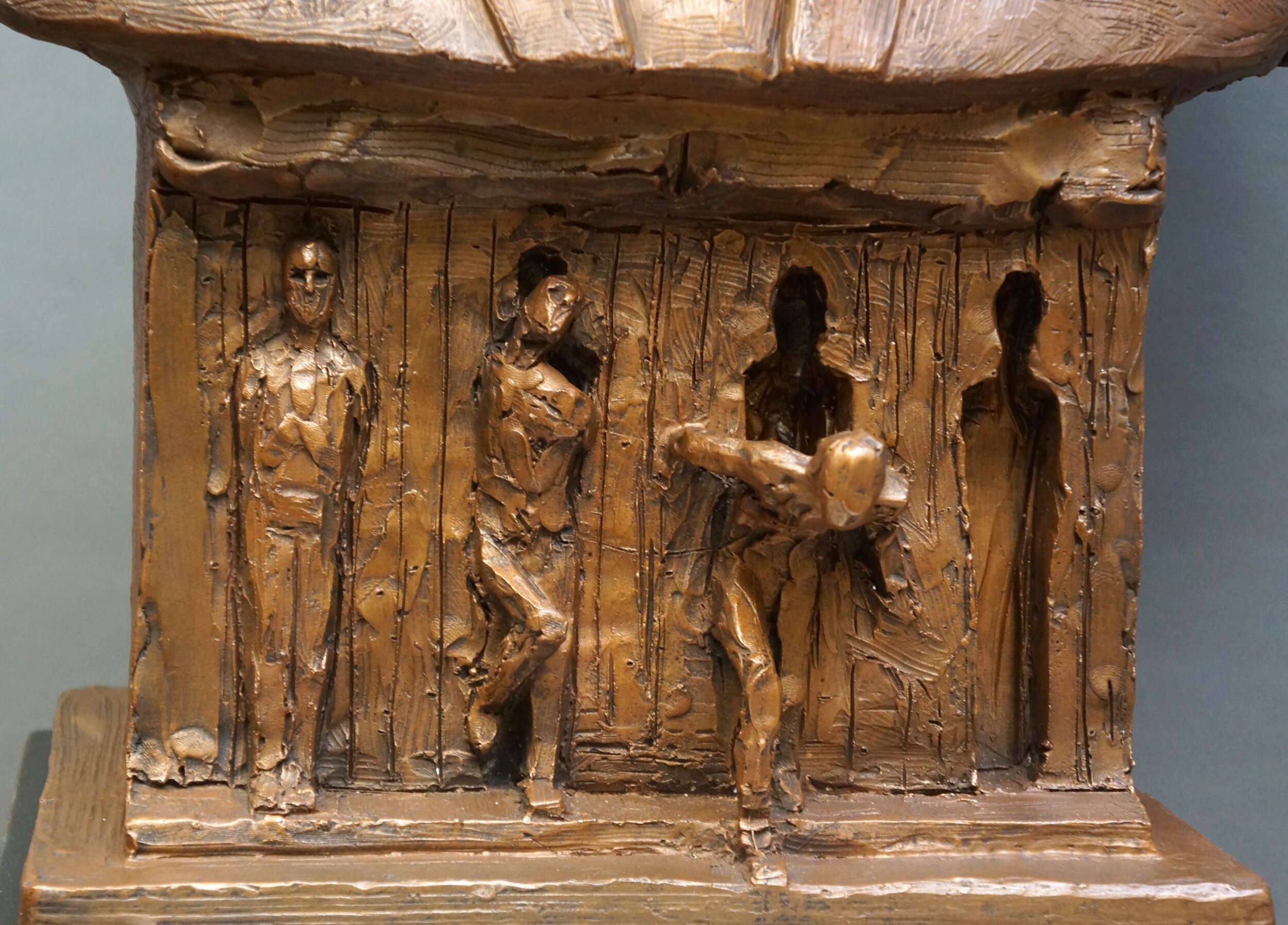
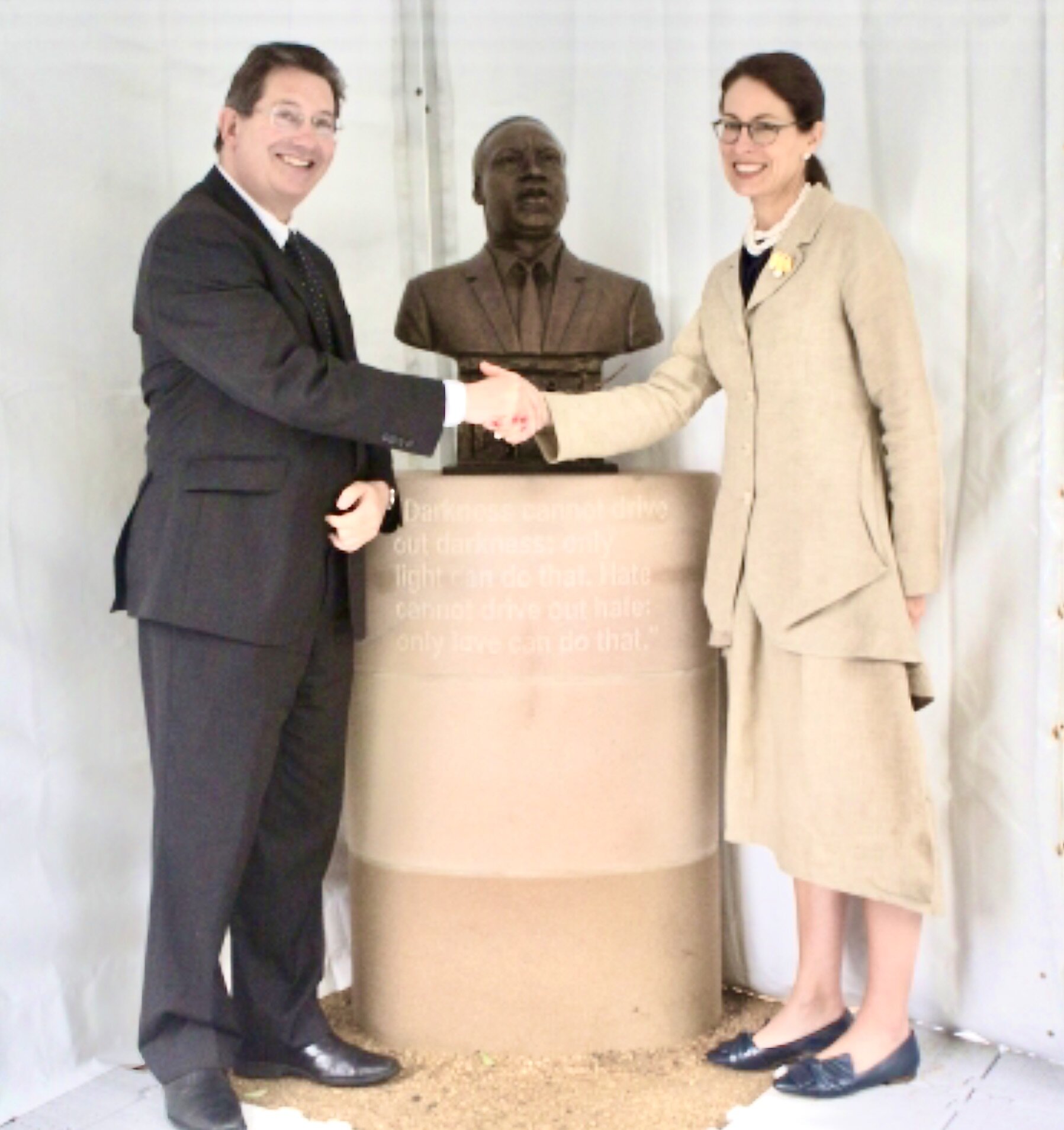
Zenos Frudakis’ Martin Luther King, Jr. and Freedom is the first public sculpture in Australia honoring the life and legacy of the American civil rights leader Martin Luther King, Jr. The work integrates a bust of King with Frudakis’ renowned Freedom sculpture, symbolizing the concept of breaking free. Winner of an international competition, this sculpture is installed in the University of New South Wales (UNSW) Peace Garden, joining other works honoring the world’s most inspiring leaders, including sculptures of Gandhi and Nelson Mandela.
Size: Life-size portrait bust with Freedom sculpture
Media: Bronze
Height of Portrait Bronze: 8.5 inches
Total Height of Bronze with Freedom: 30 inches
Location: Library Peace Garden, UNSW, Sydney, Australia
Collections: UNSW, Sydney, Australia
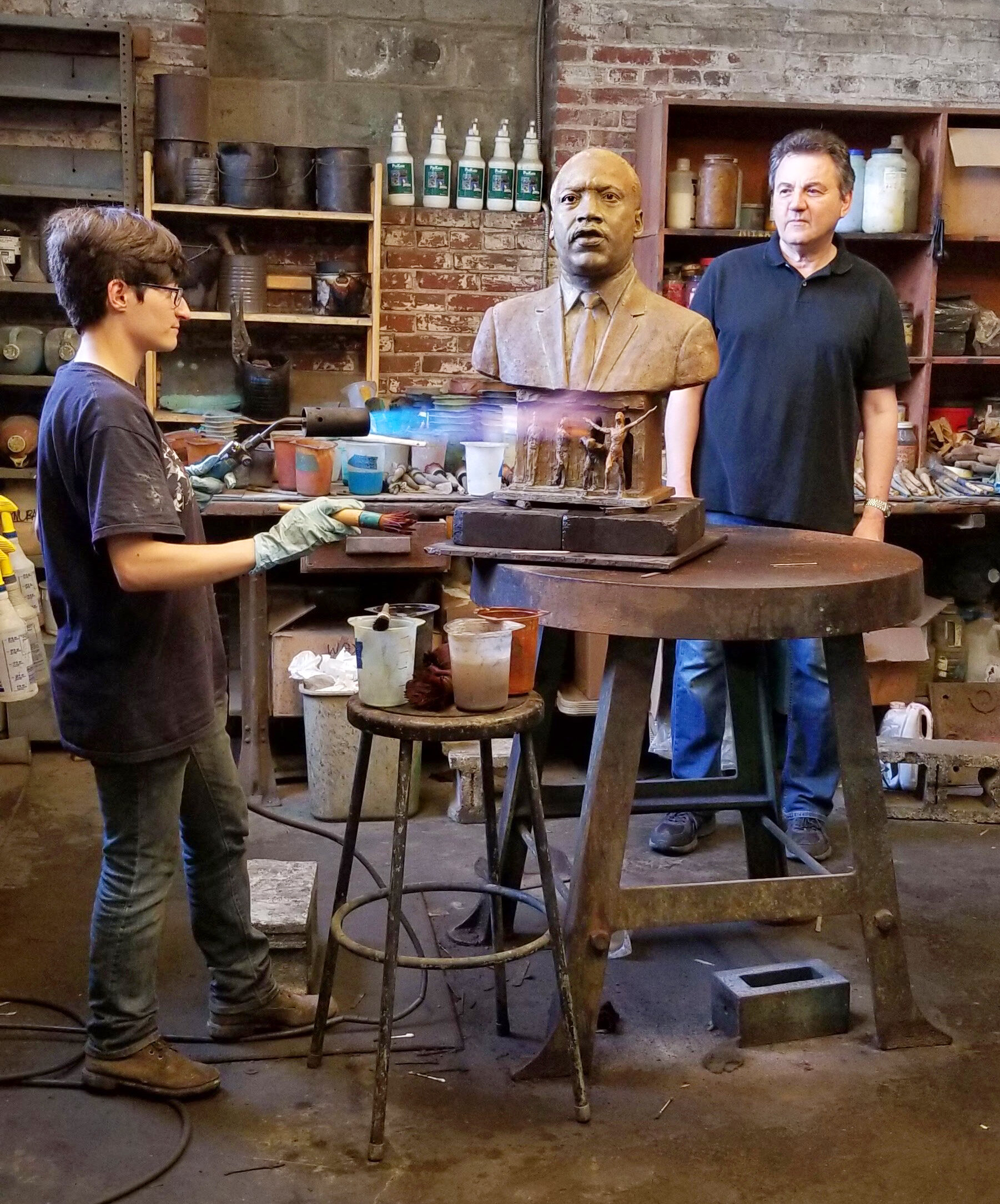
Cast: June 2018
Foundry: Laran Bronze, Inc., Pennsylvania, USA
Installation: October 18, 2018
During the creation of this sculpture, Zenos conducted extensive research, including photos provided by Martin Luther King’s personal photographer, Flip Schulke, who documented King throughout the civil rights movement. Zenos also collaborated closely with UNSW to understand the purpose of the sculpture, the mission of the Peace Garden, and the layout and context of the surrounding works.
Representatives from UNSW visited Frudakis Studio to approve the final sculpture, which was then cast at Laran Bronze Foundry in Pennsylvania. The completed bronze portrait is mounted on a stone base inscribed with King’s iconic quote:
"Darkness cannot drive out darkness: only light can do that.
Hate cannot drive out hate: only love can do that."
The UNSW Library Peace Garden is part of an ongoing project made possible through the generosity of UNSW alumni in North America and the UNSW US Foundation, the US Embassy in Canberra, the US Consulate in Sydney, the King Center for Non-Violent Social Change, the US Trumpet Awards, the Australian Embassy in Washington, D.C., and the US State Department.
⭐America 250 — Martin Luther King Jr.’s Legacy in American Freedom
Martin Luther King Jr. was an American Baptist minister, civil rights leader, and political philosopher who played a central role in the civil rights movement from 1955 until his assassination in 1968. He advanced civil rights for Black Americans through nonviolent resistance and civil disobedience, challenging Jim Crow laws and other forms of legalized discrimination.
King was a driving force behind the 1963 March on Washington for Jobs and Freedom, where he delivered his iconic “I Have a Dream” speech to a crowd of over 250,000 people at the Lincoln Memorial. His leadership, together with the efforts of the Southern Christian Leadership Conference (SCLC), was instrumental in the passage of the Civil Rights Act of 1964, which outlawed discrimination in public accommodations, and the Voting Rights Act of 1965, which removed barriers that had long prevented African Americans from voting.
At age 35, King became the youngest recipient at the time of the Nobel Peace Prize, honored for his unwavering commitment to nonviolent action in the pursuit of racial equality.
“It was a pleasure and privilege to work with Eric D. Tidwell, Esq., representing the Estate of Dr. Martin Luther King, Jr., and Jennie Lang, UNSW, on this project.”