

America 250: Freedom, Vision and Legacy
Celebrating the people, ideas, and ideals that
have shaped 250 years of America
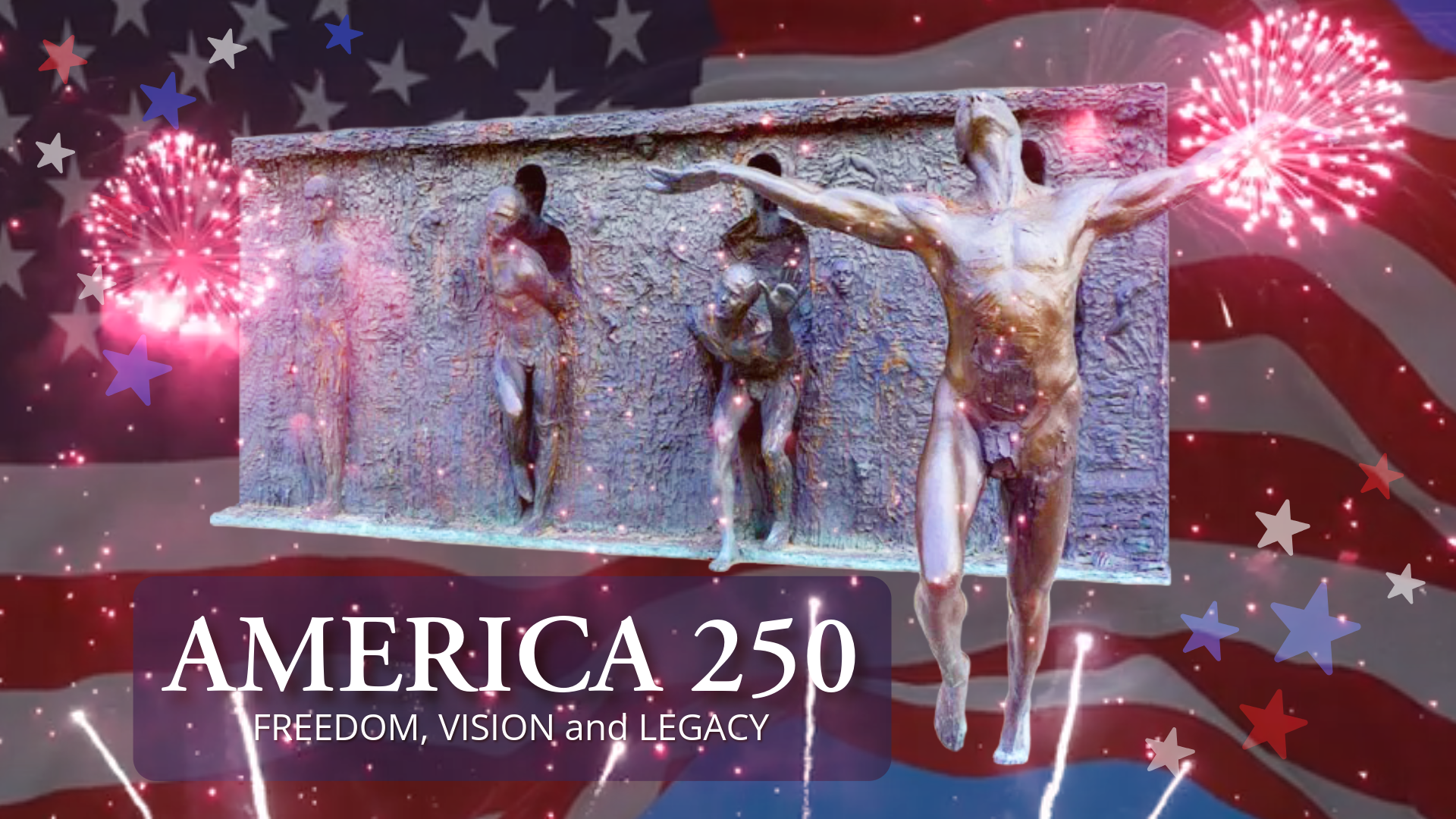
As the United States commemorates 250 years of independence, Zenos Frudakis’s Freedom sculpture stands as a powerful visual metaphor for the nation’s enduring pursuit of liberty. Emerging from the confines of a wall, the figure breaks free with effort, hope, and determination—an image that reflects the American journey itself.
Across the centuries, the struggle for freedom has taken many forms: independence, abolition, civil rights, equality, and the ongoing work to extend the blessings of liberty to all. As America marks this historic milestone, Freedom invites us to reflect not only on the ideals that shaped the nation’s founding, but also on the generations who have labored to make those ideals a lived reality.
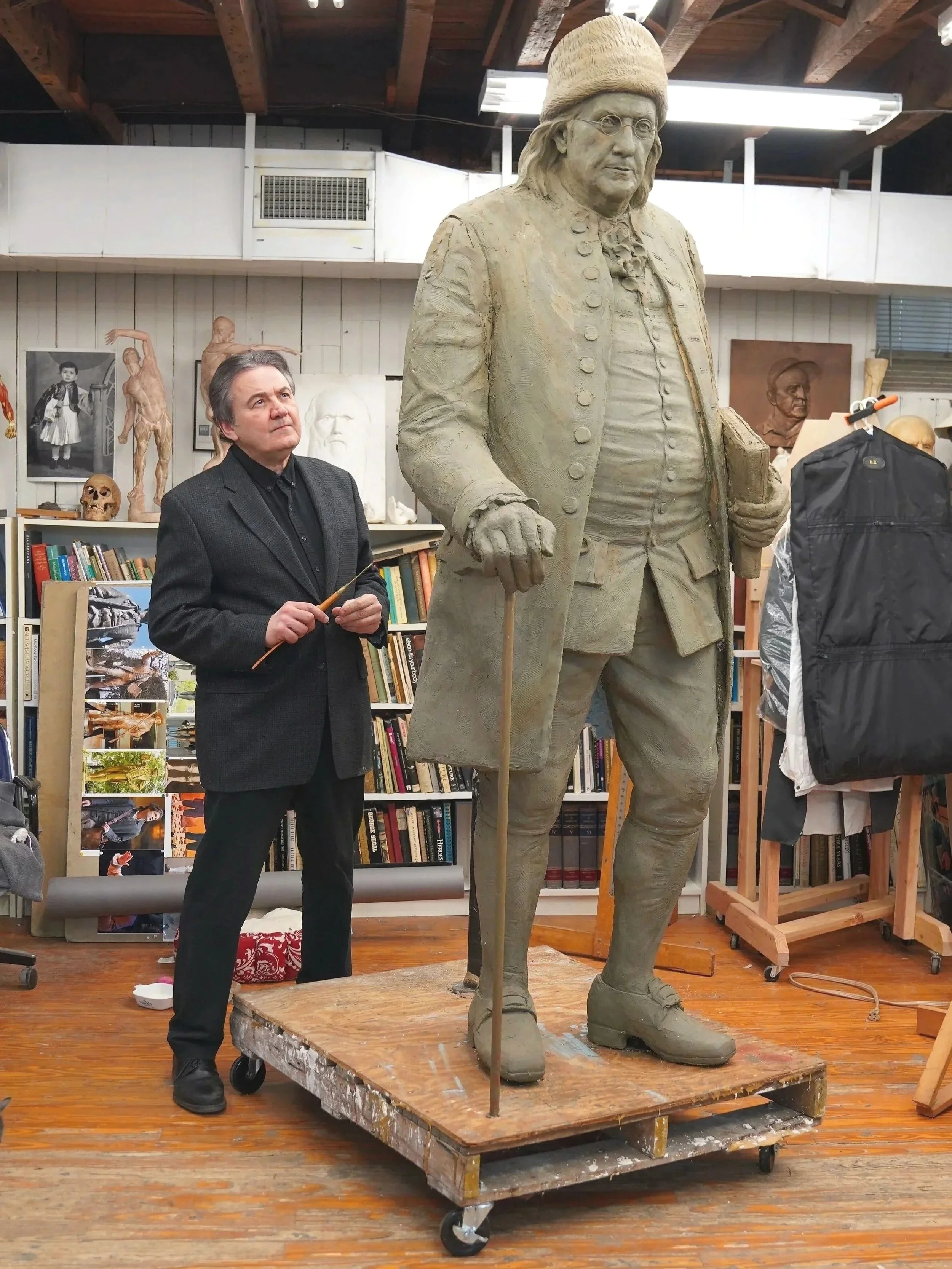
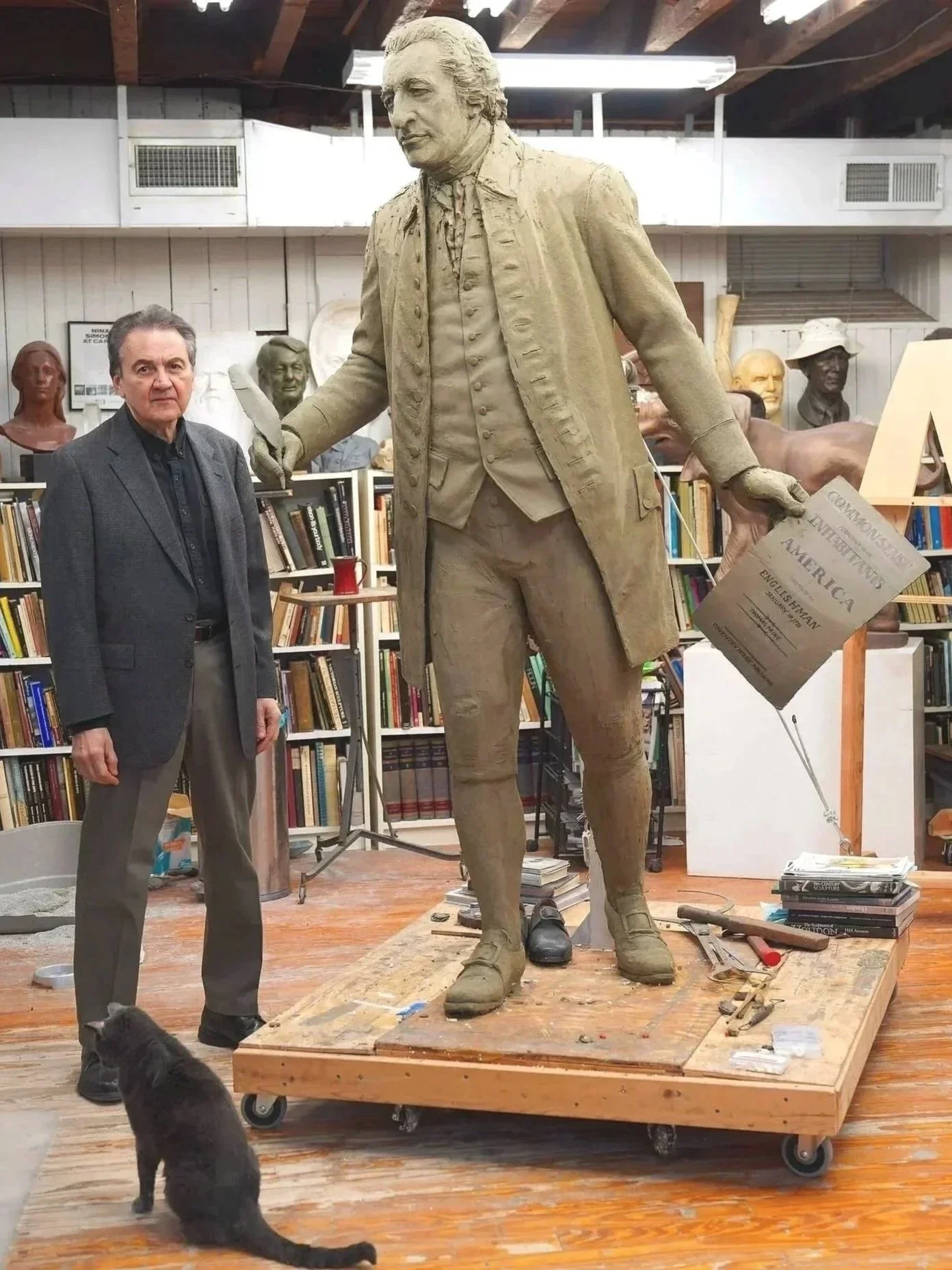
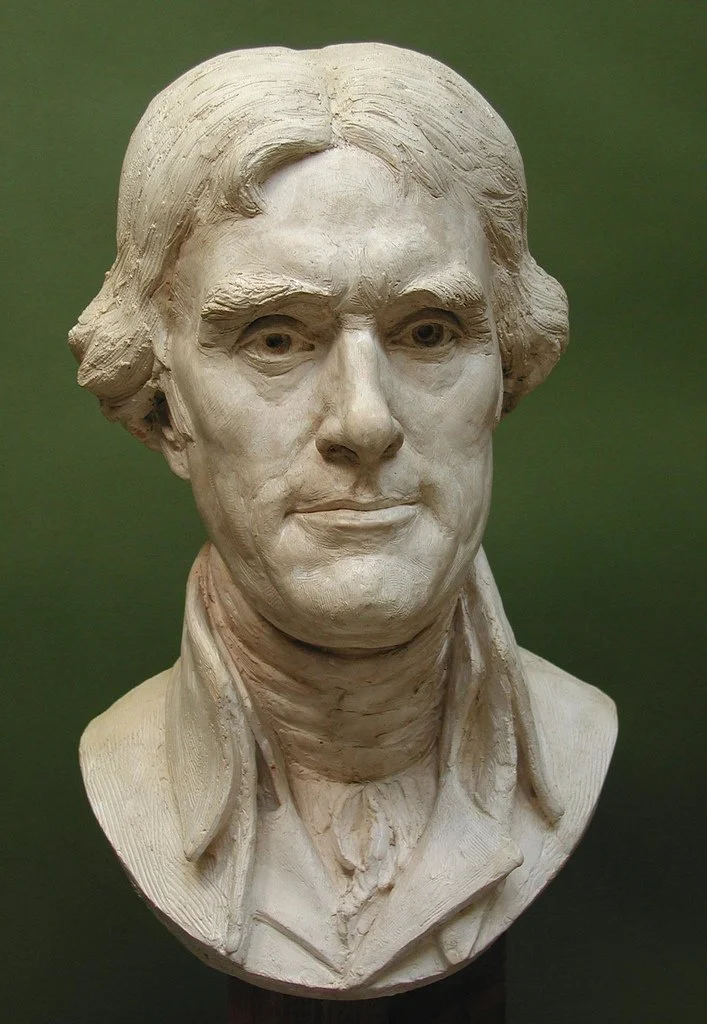
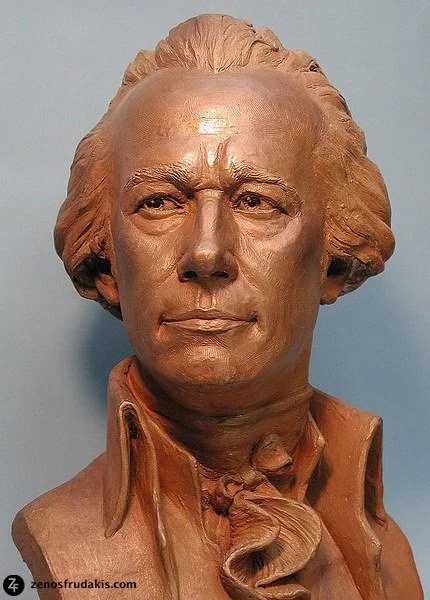
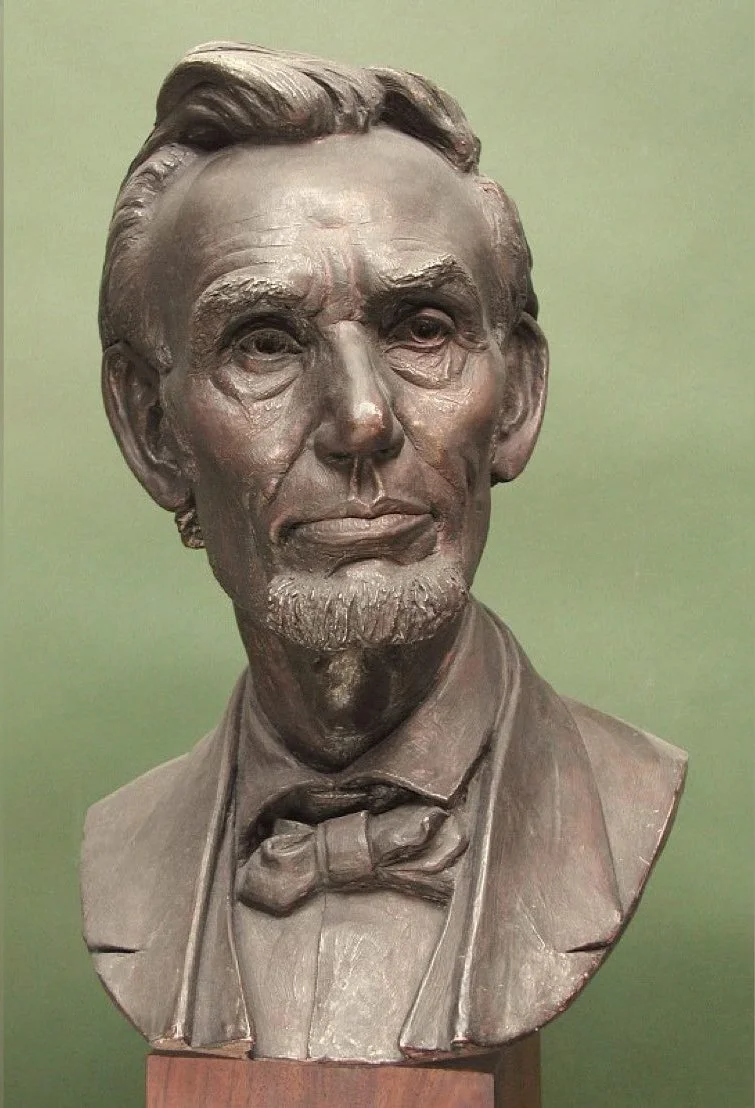
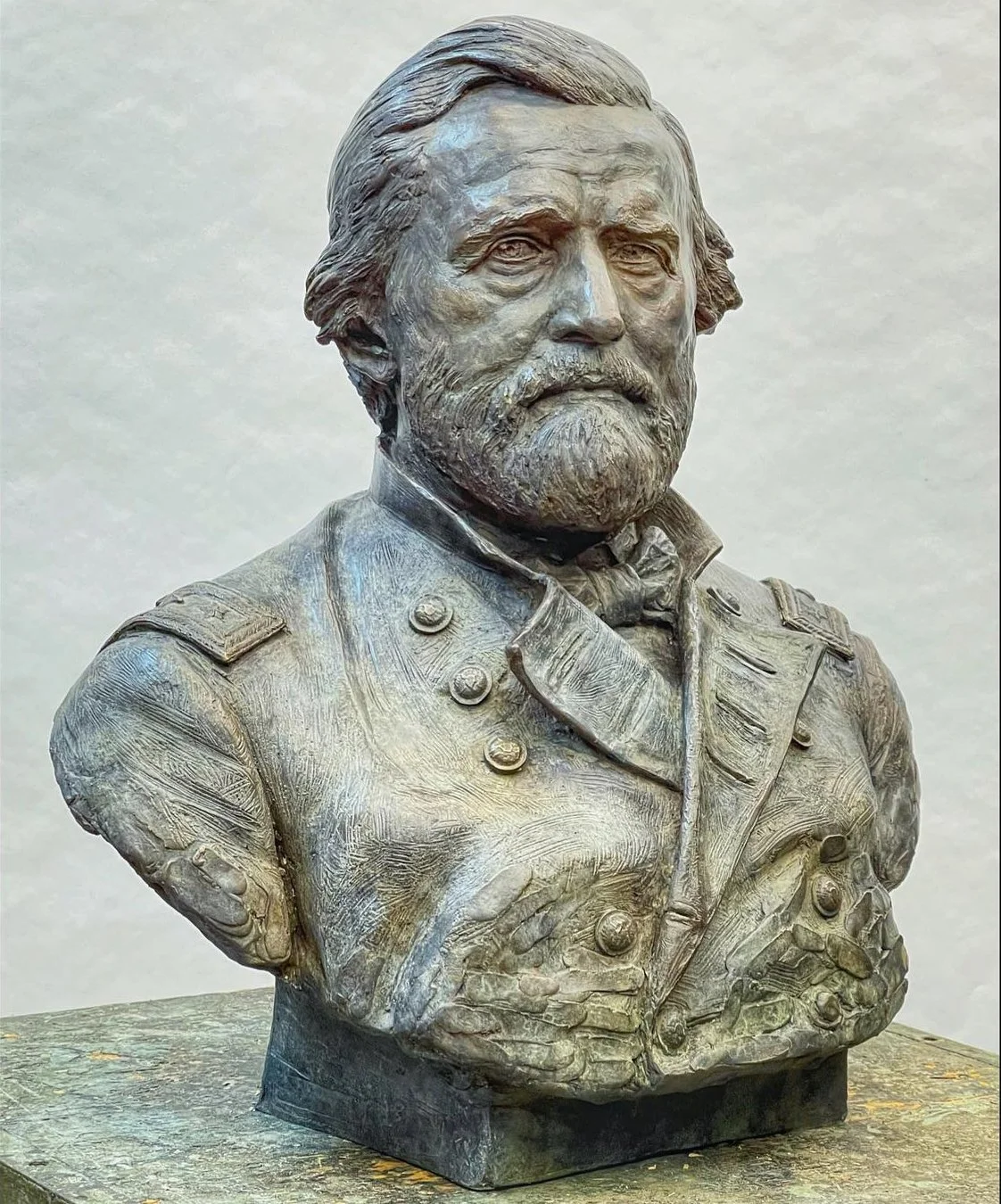
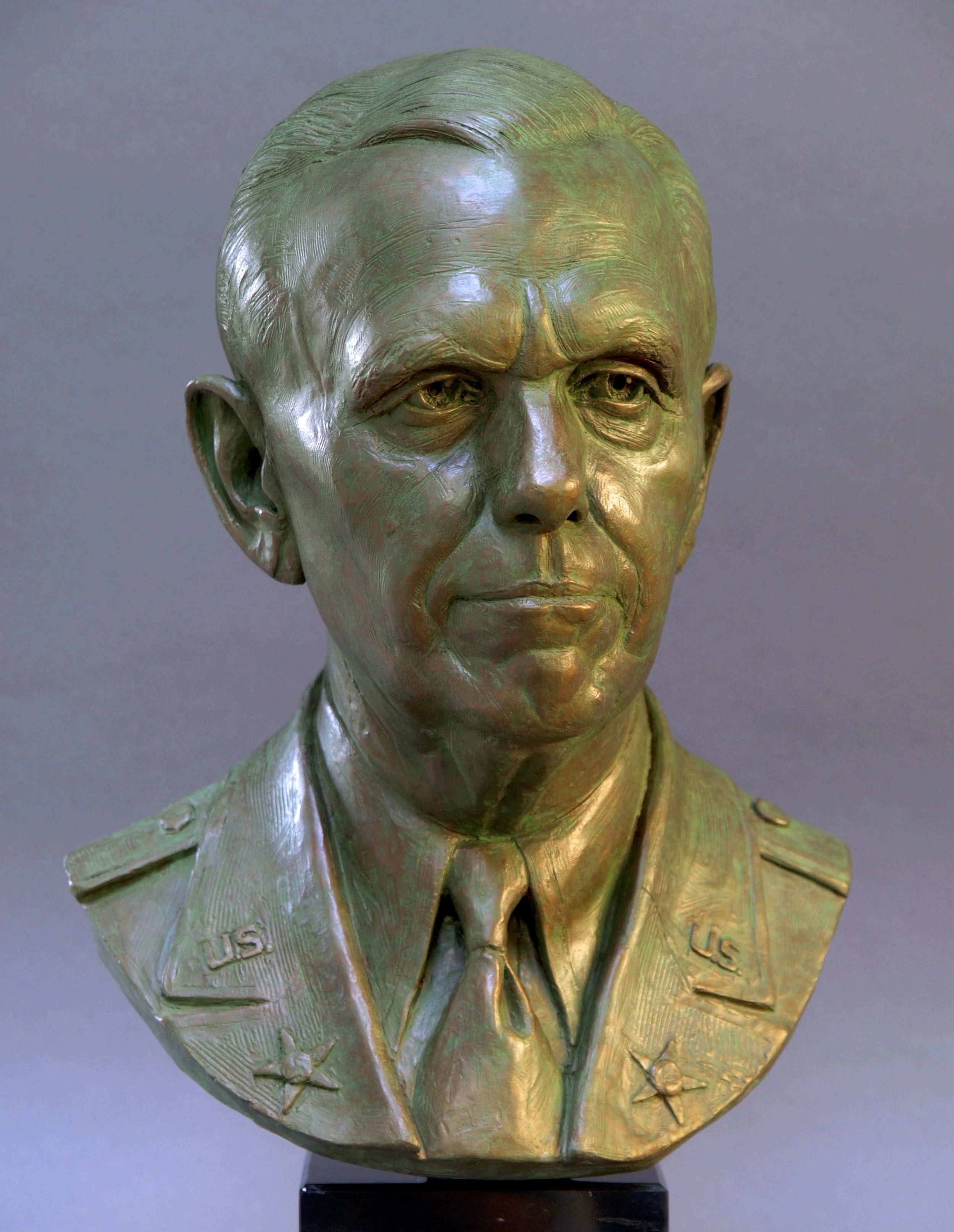
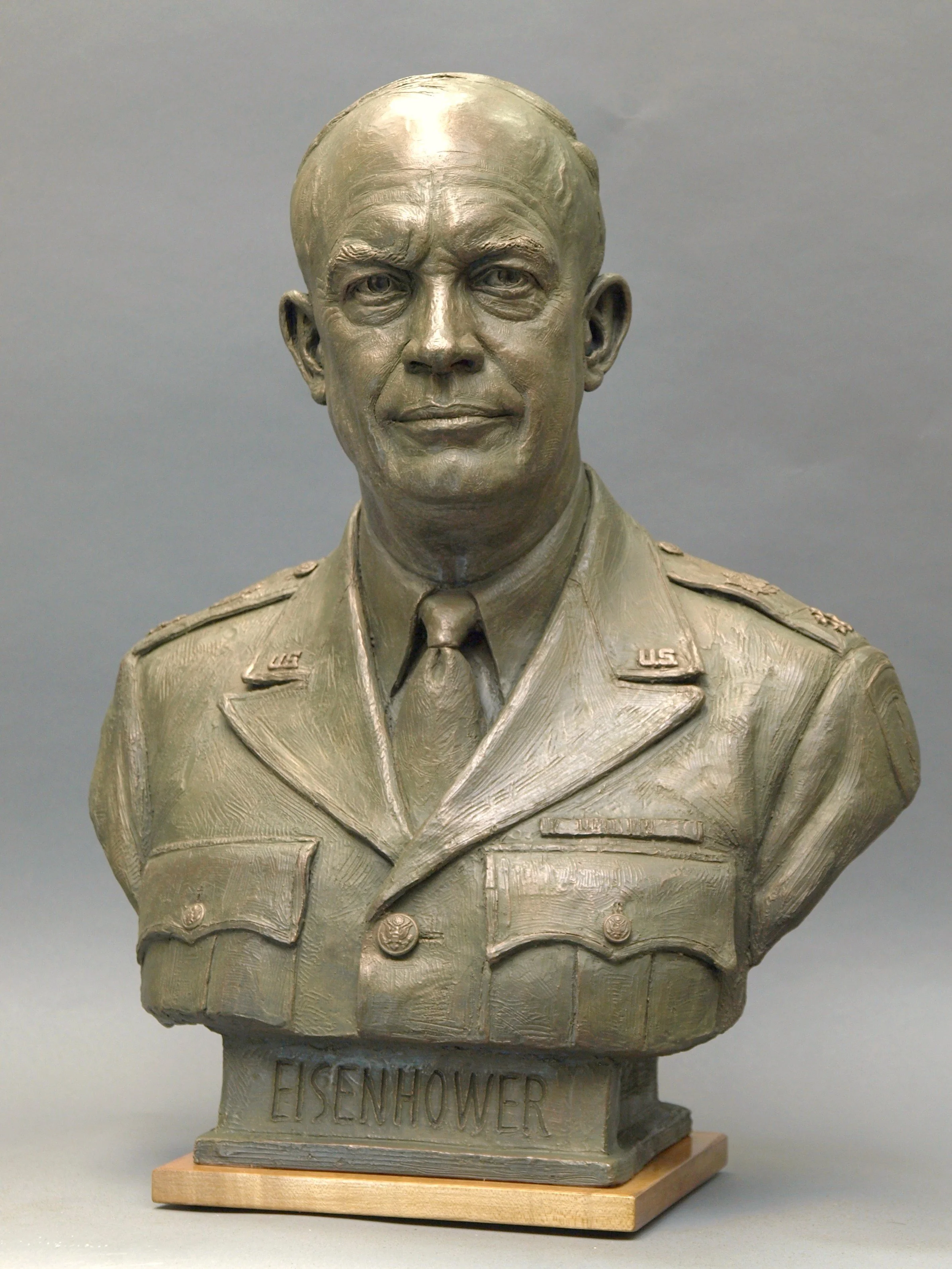
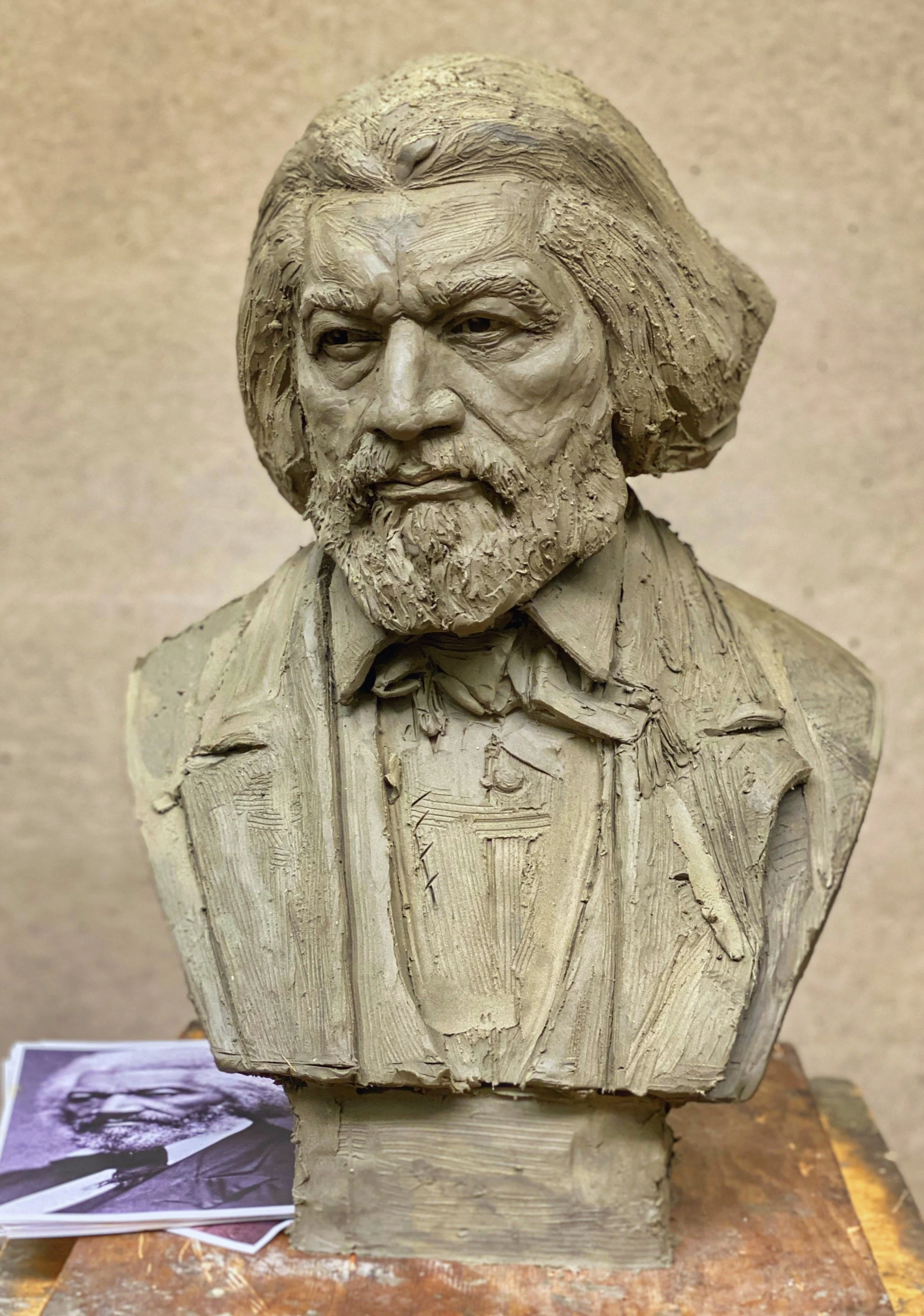
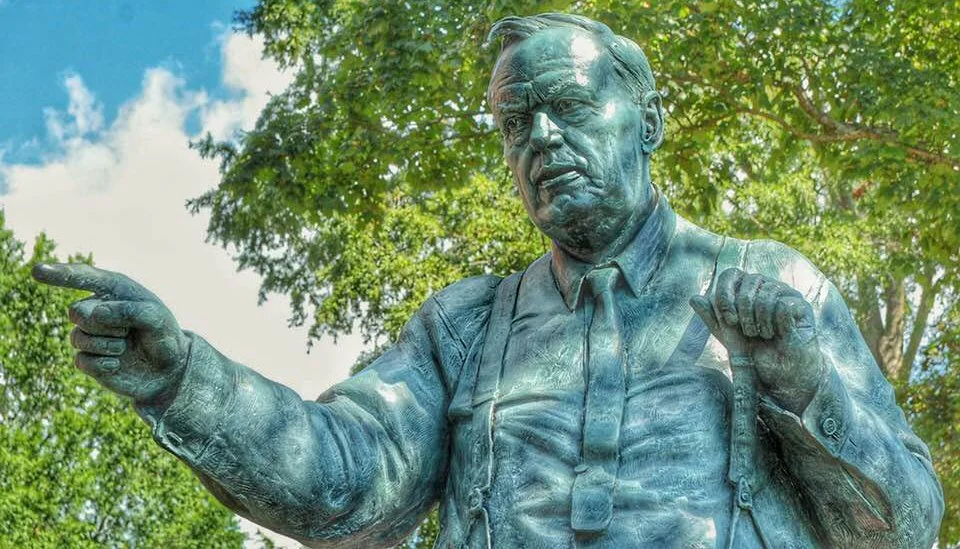
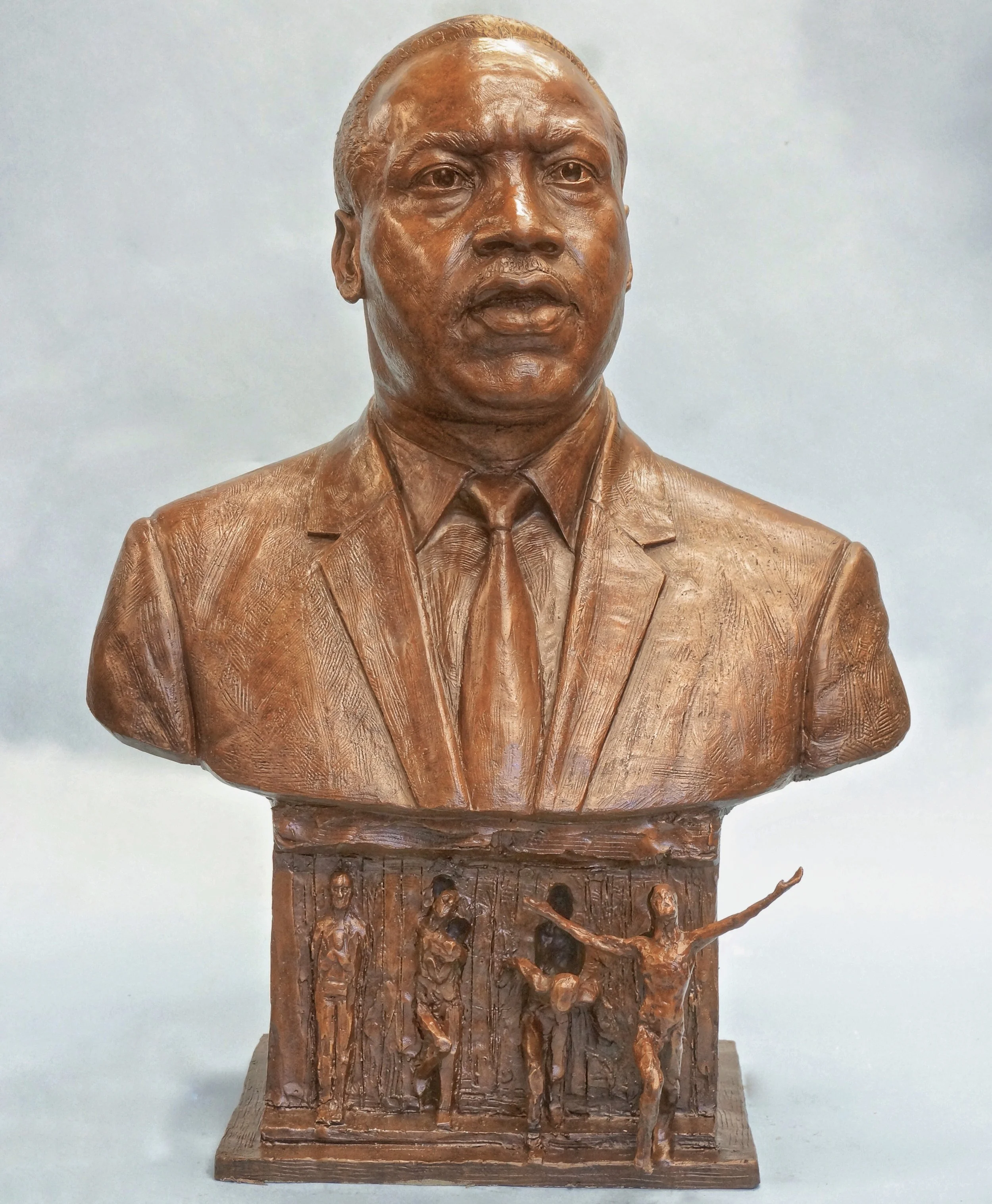
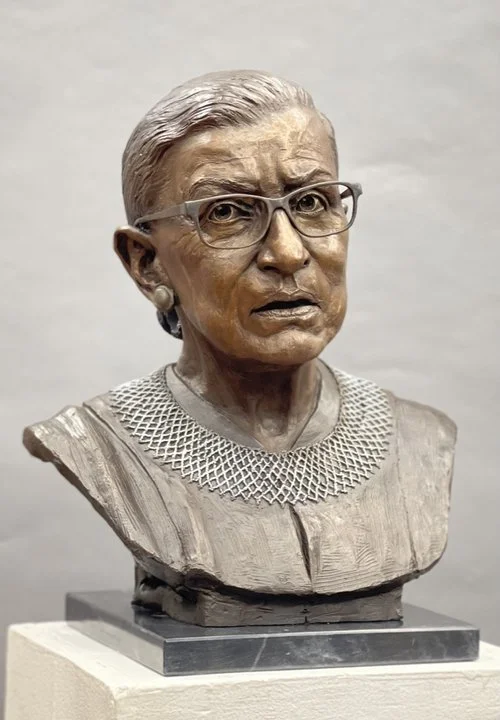
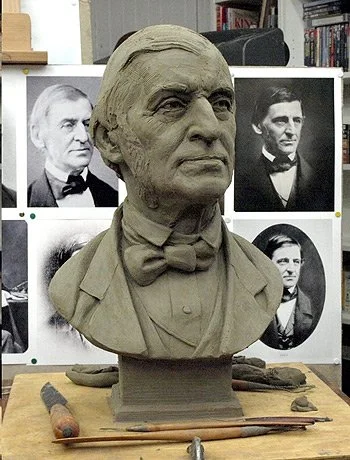
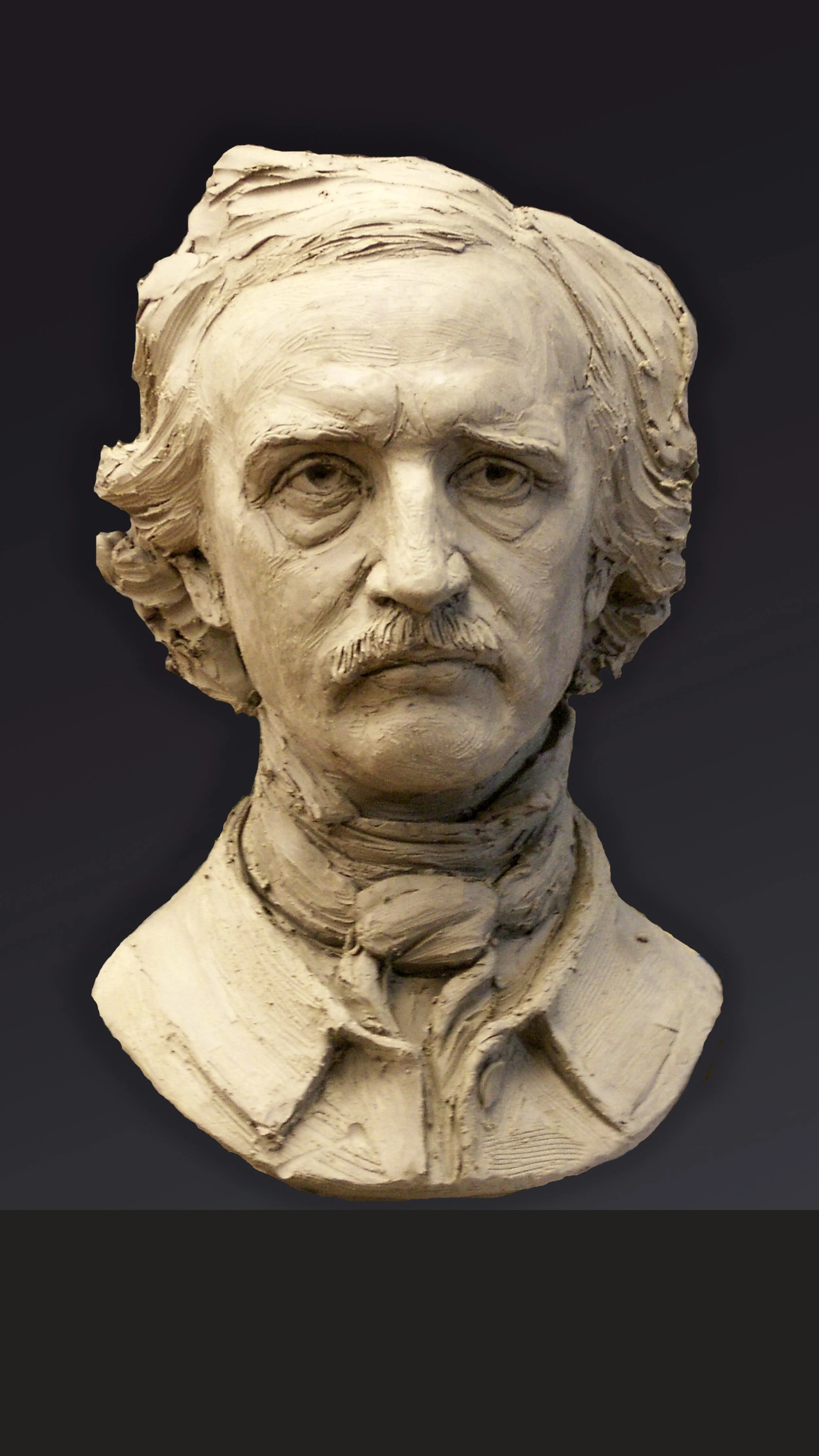
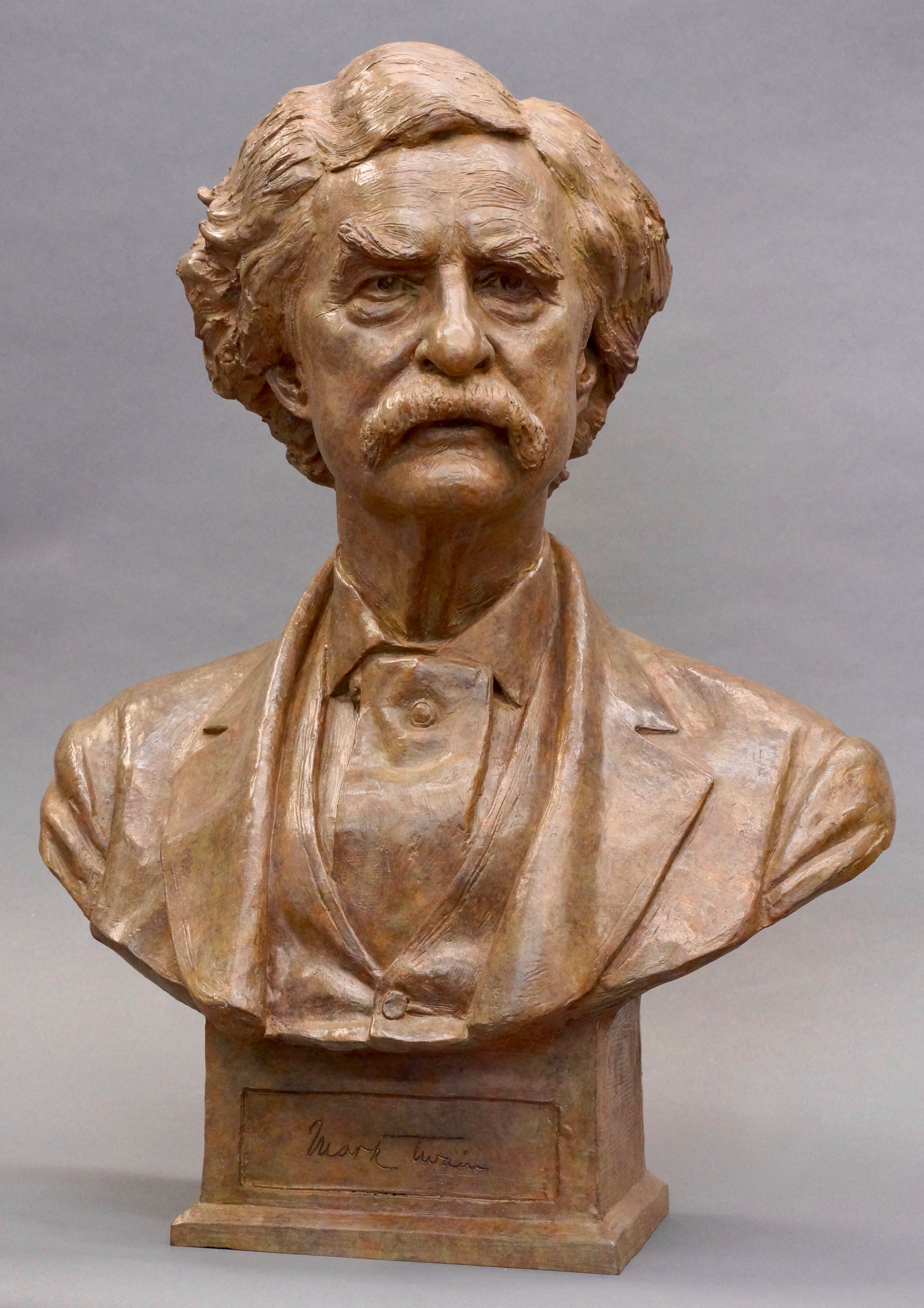
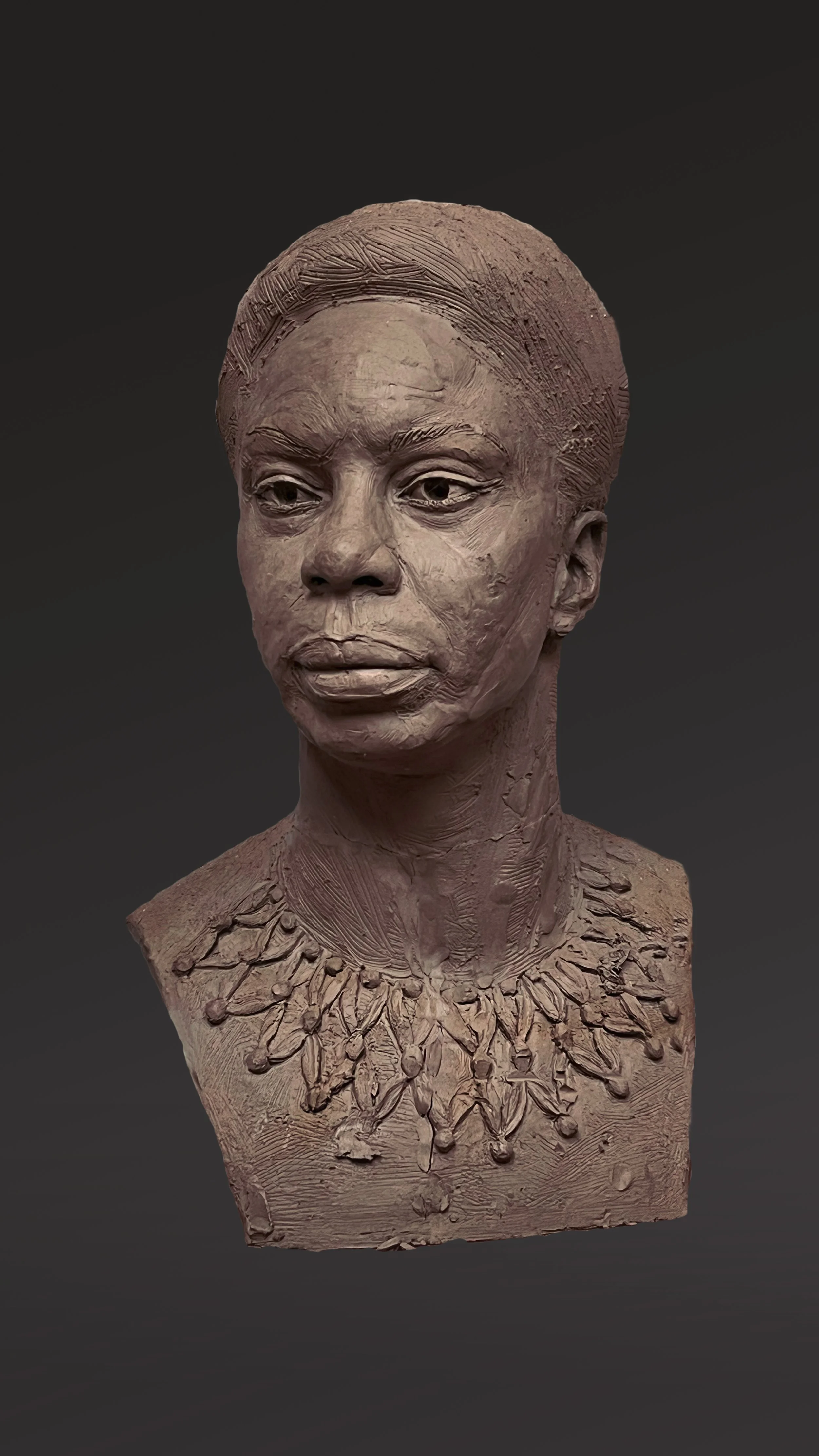
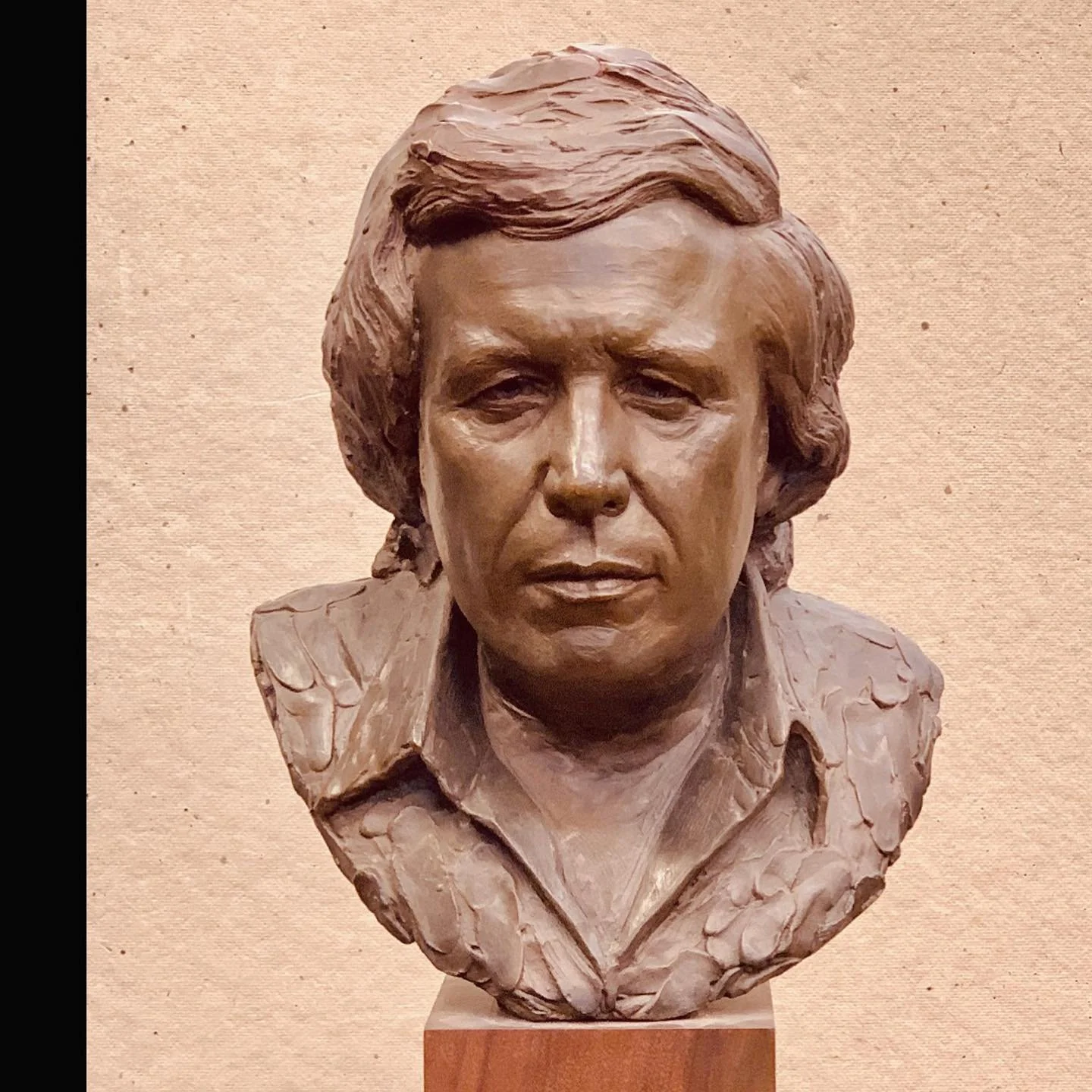
To honor America 250, we have selected a collection of sculptures by Zenos Frudakis representing individuals who helped shape the nation’s voice and character. Click on each image to view the sculpture and learn how these individuals contributed to American history—and how their legacies continue to inspire us today.
FOUNDING FATHERS

POLITICAL LEADERSHIP & CIVIC SERVICE
SOCIAL CHANGE & CIVIL RIGHTS

CULTURE & THE ARTS
SCIENCE, INNOVATION & EXPLORATION
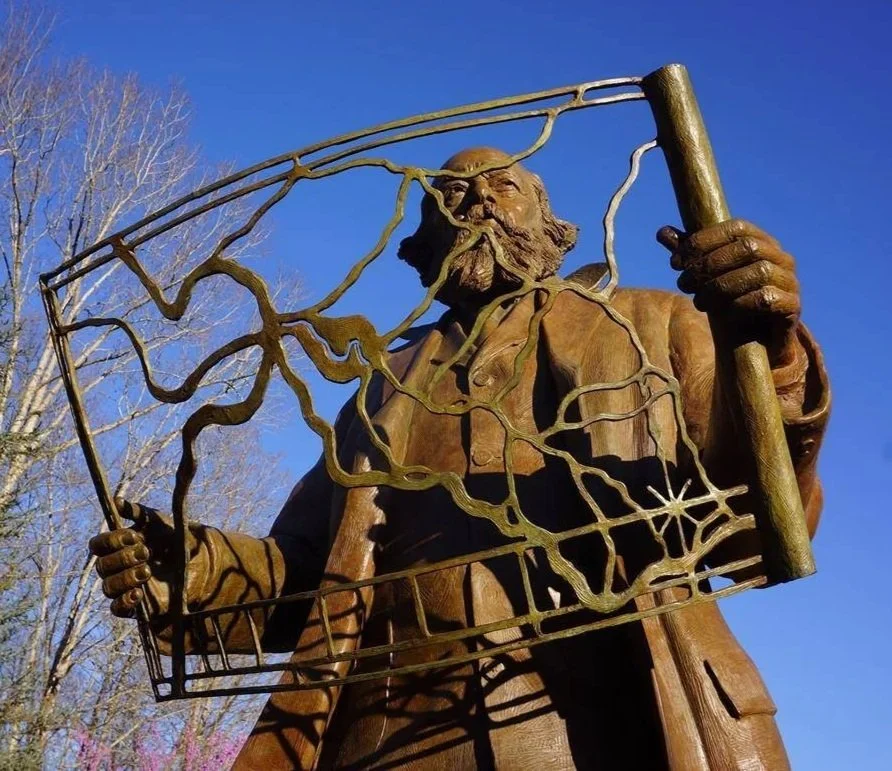
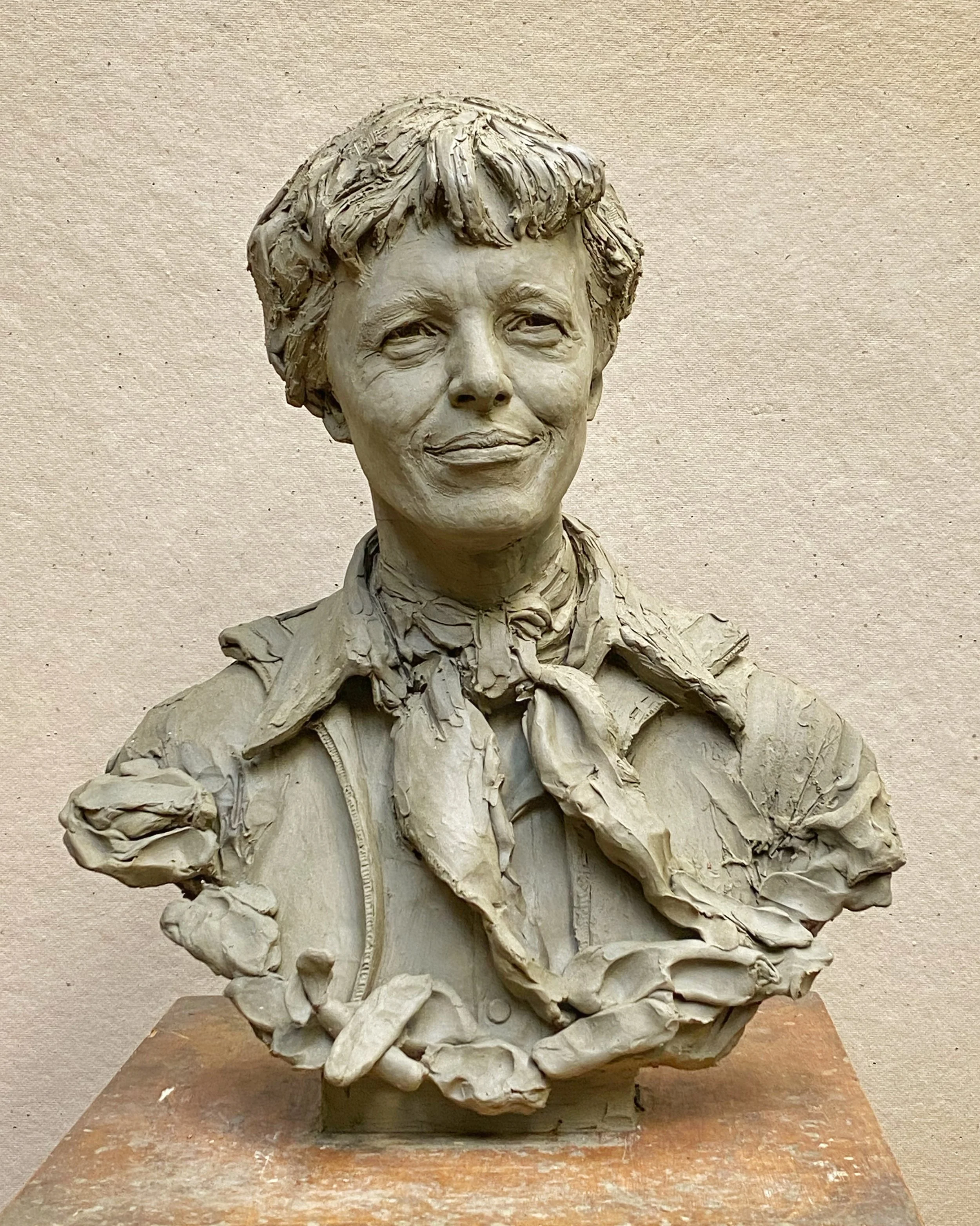
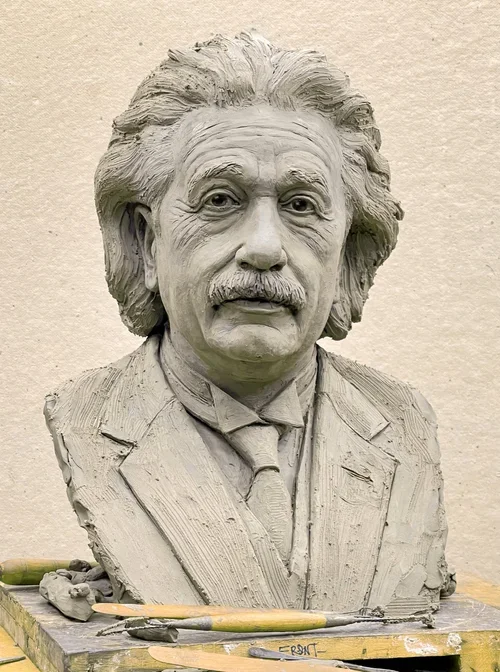
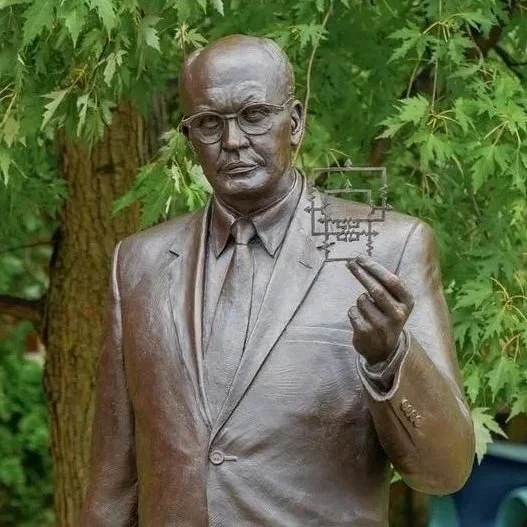
“I wanted to create a sculpture almost anyone, regardless of their background, could look at and instantly recognize that it is about the idea of struggling to break free. This sculpture is about the struggle for achievement of freedom through the creative process”
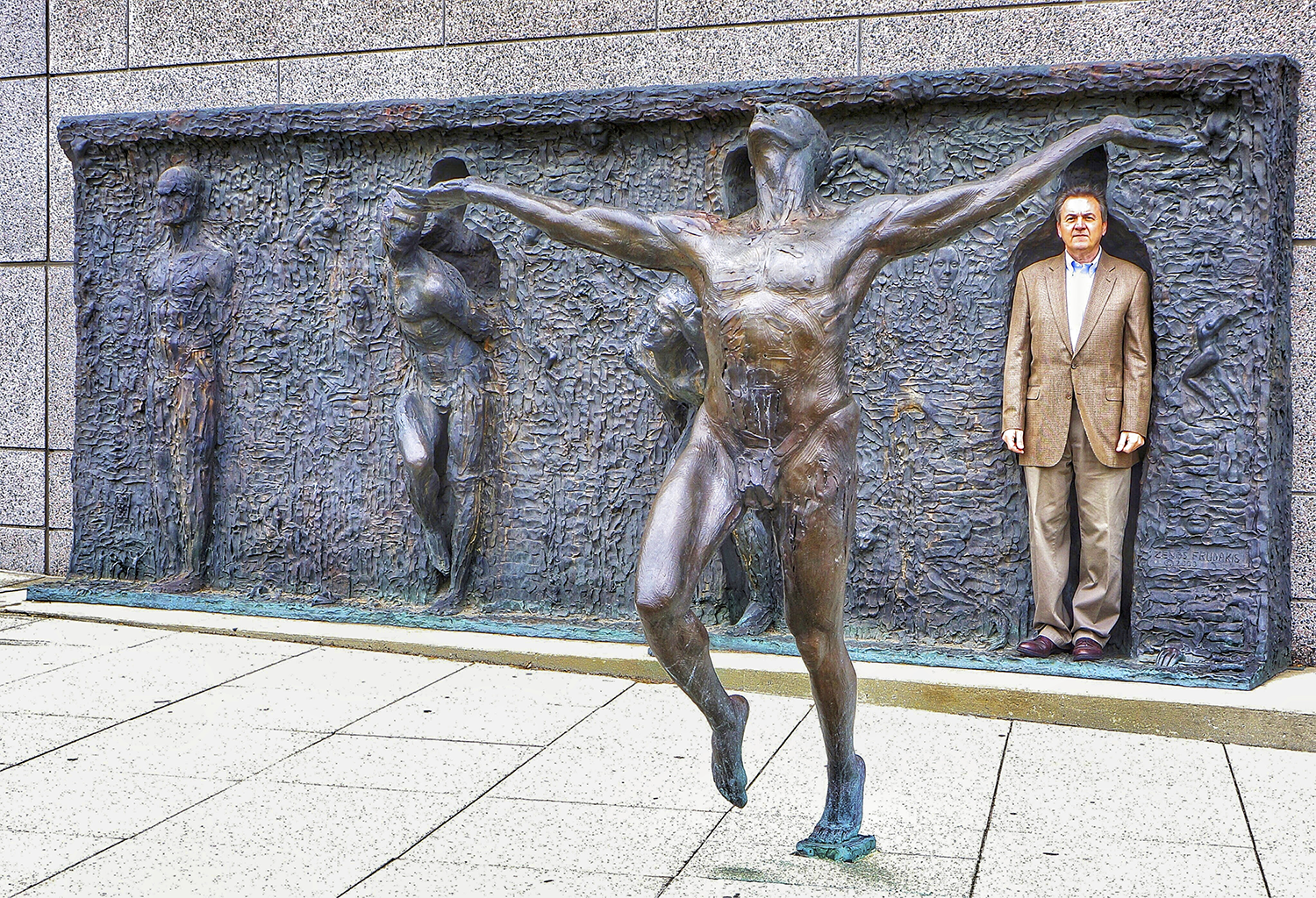
Freedom
A monumental sculpture and powerful symbol of transformation, capturing the moment when struggle becomes strength and hope becomes action.
⭐America 250 — Freedom: The Guiding Ideal of the American Experiment
For 250 years, the American experiment has been driven by a single, ever-evolving promise: freedom. Zenos Frudakis’s Freedom sculpture gives this ideal tangible form—a figure breaking through confinement into open space, embodying the universal human desire to overcome limitations.
As the nation marks America 250, Freedom reminds us that liberty has never been fixed or guaranteed. It has been shaped, expanded, and renewed by generations who challenged injustice, advanced rights, and pushed the nation closer to its founding ideals. Frudakis’s sculpture stands as both a tribute to those efforts and a call to carry them forward—affirming that the pursuit of freedom continues with each of us.