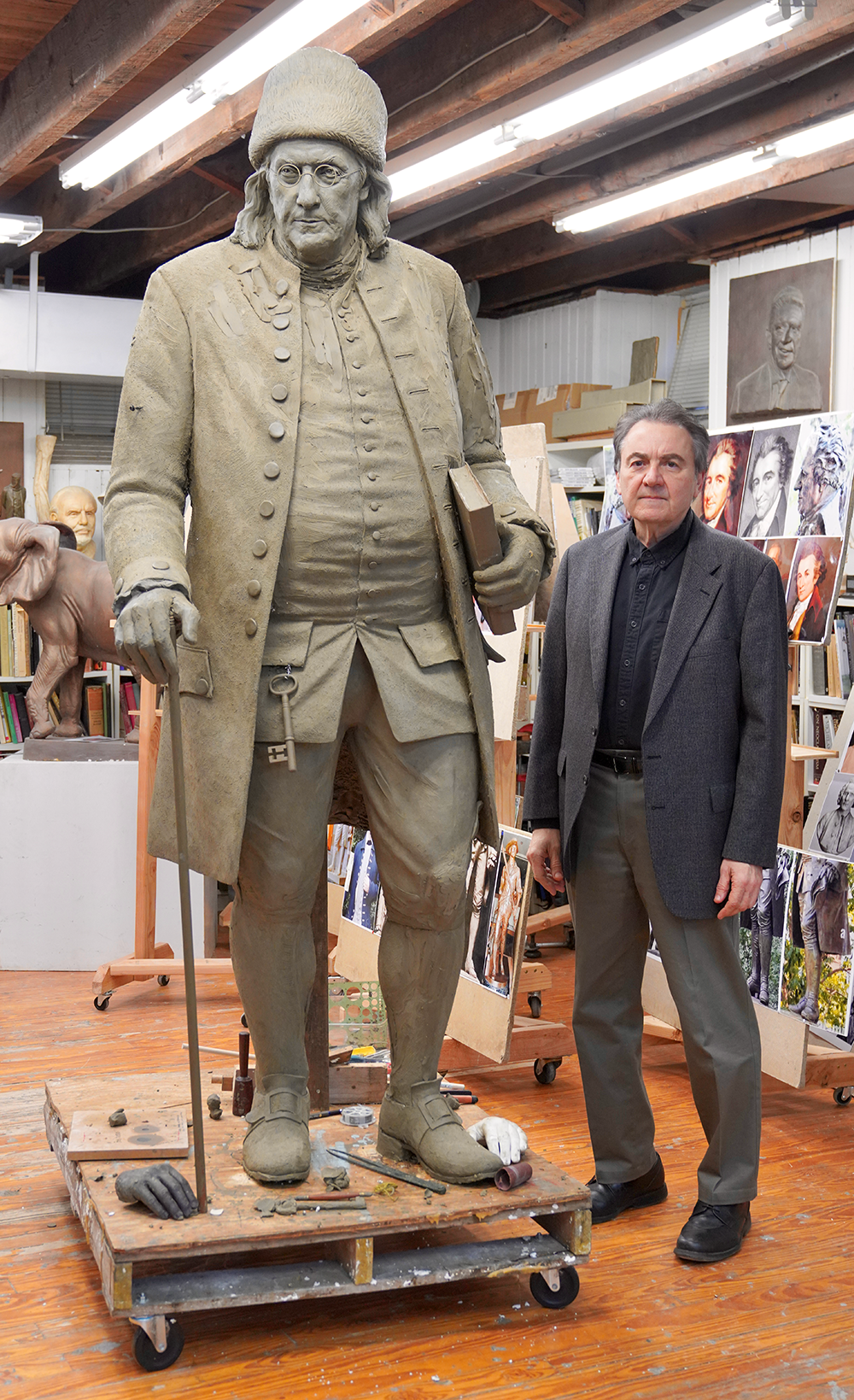
Benjamin Franklin
Father of the American Enlightenment
Benjamin Franklin (January 17, 1706 – April 17, 1790)
American Founding Father, Father of the American Enlightenment
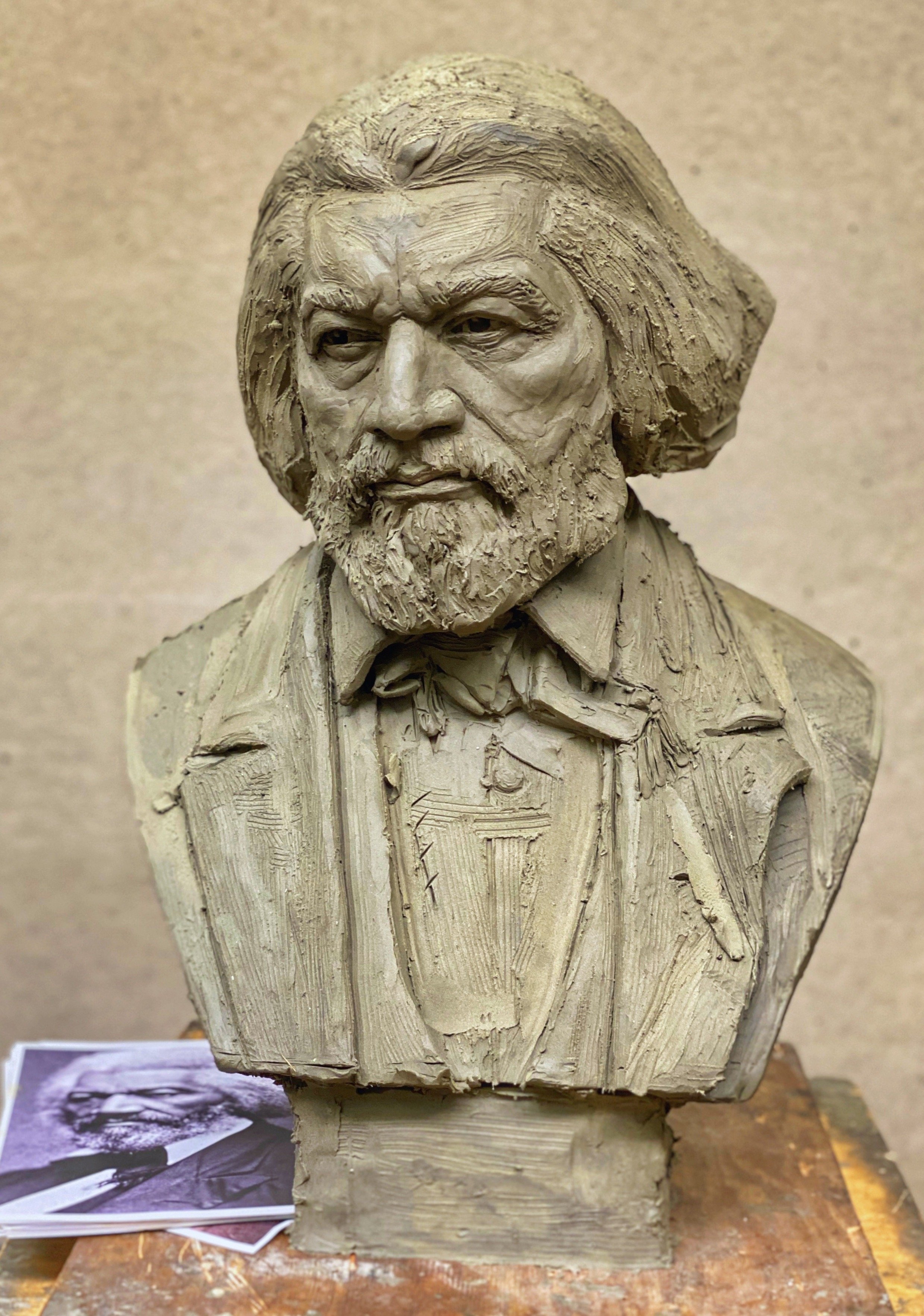
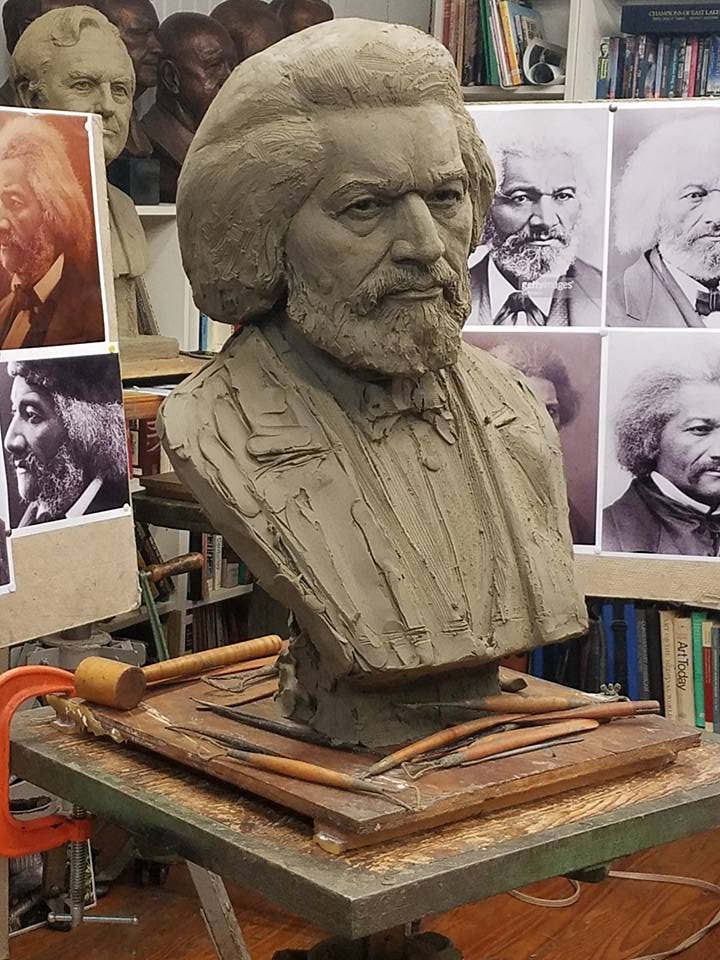
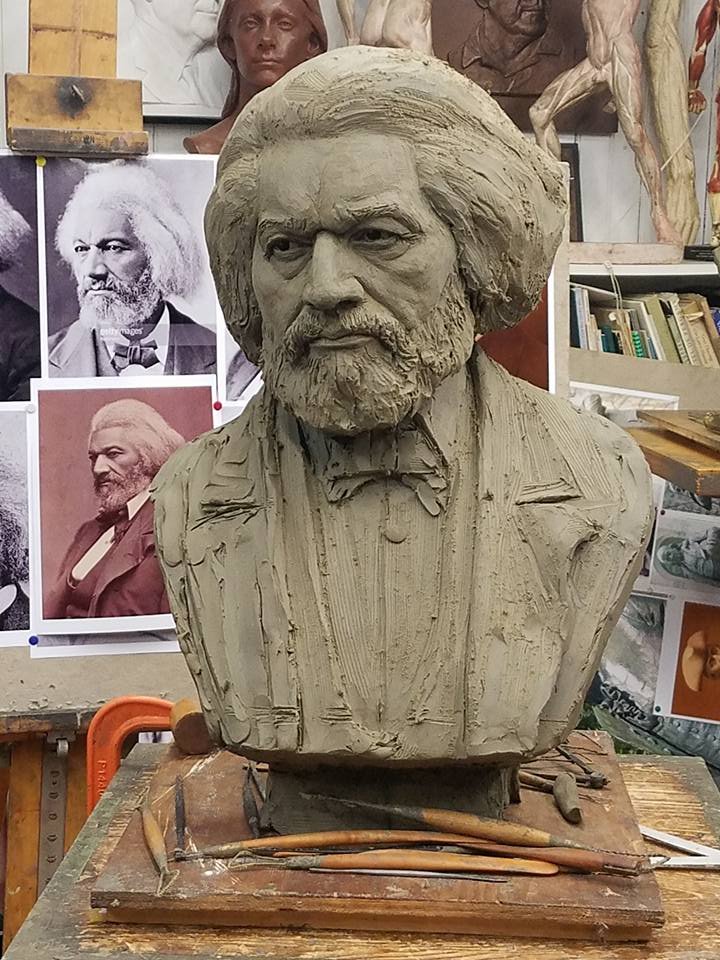
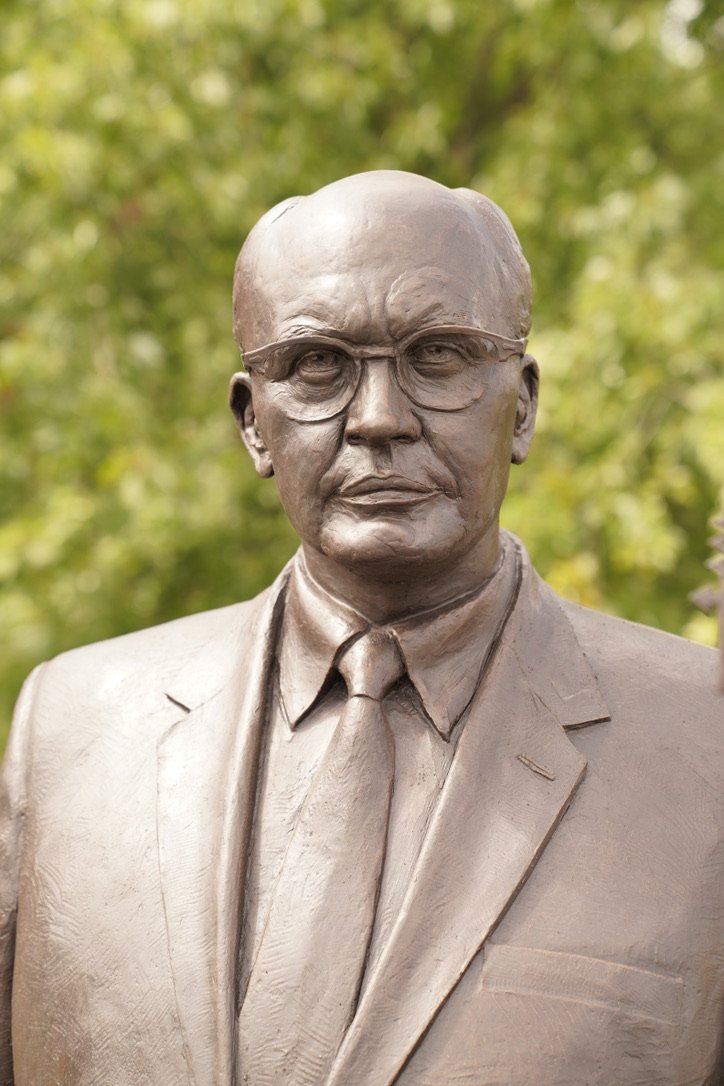
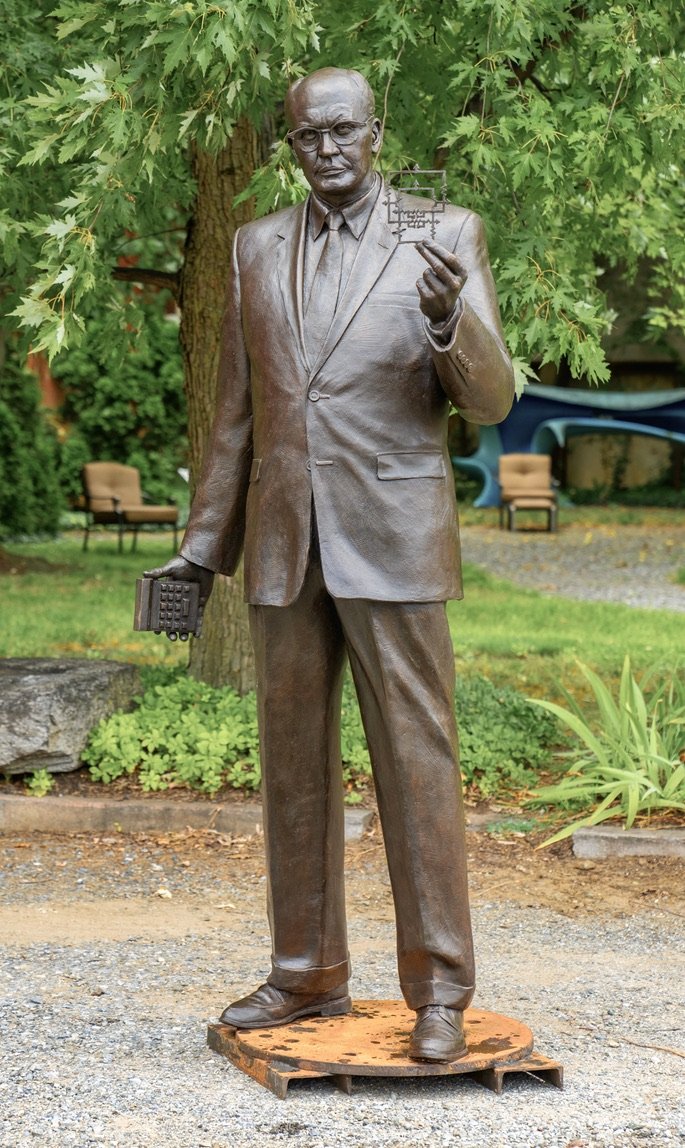
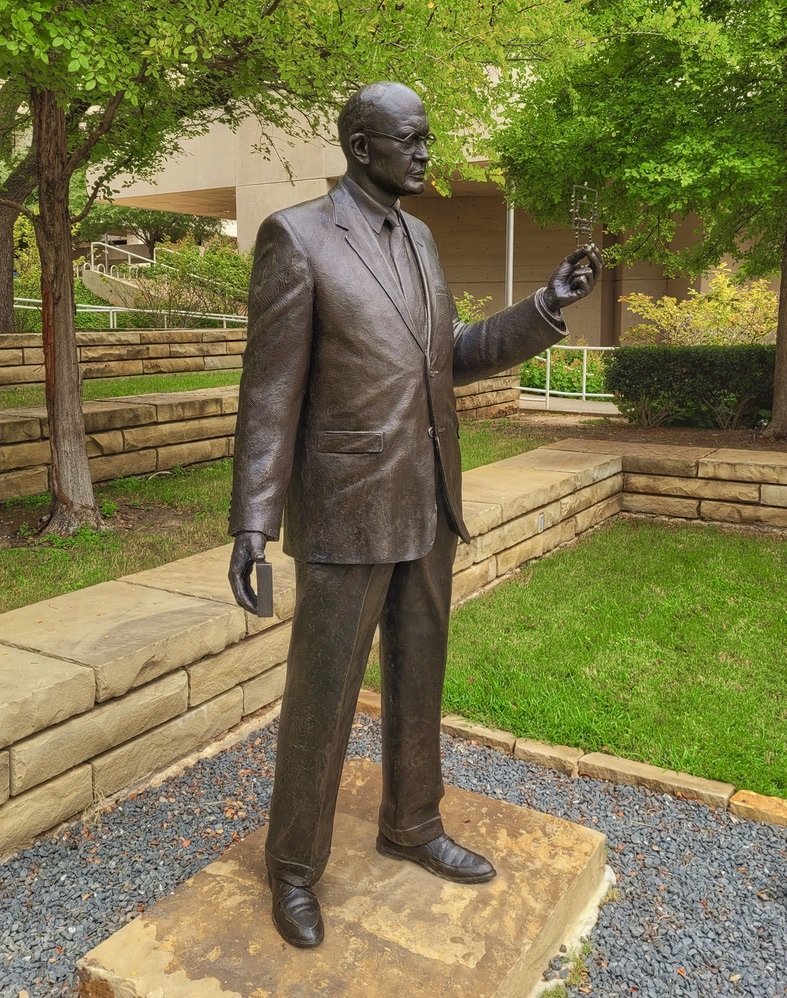
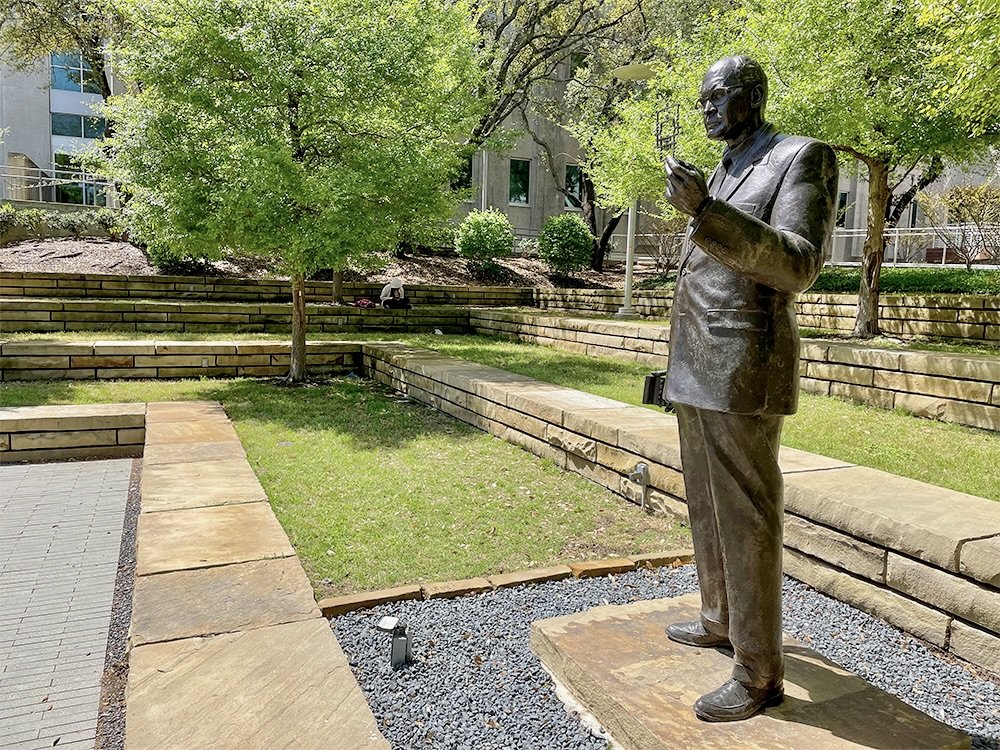
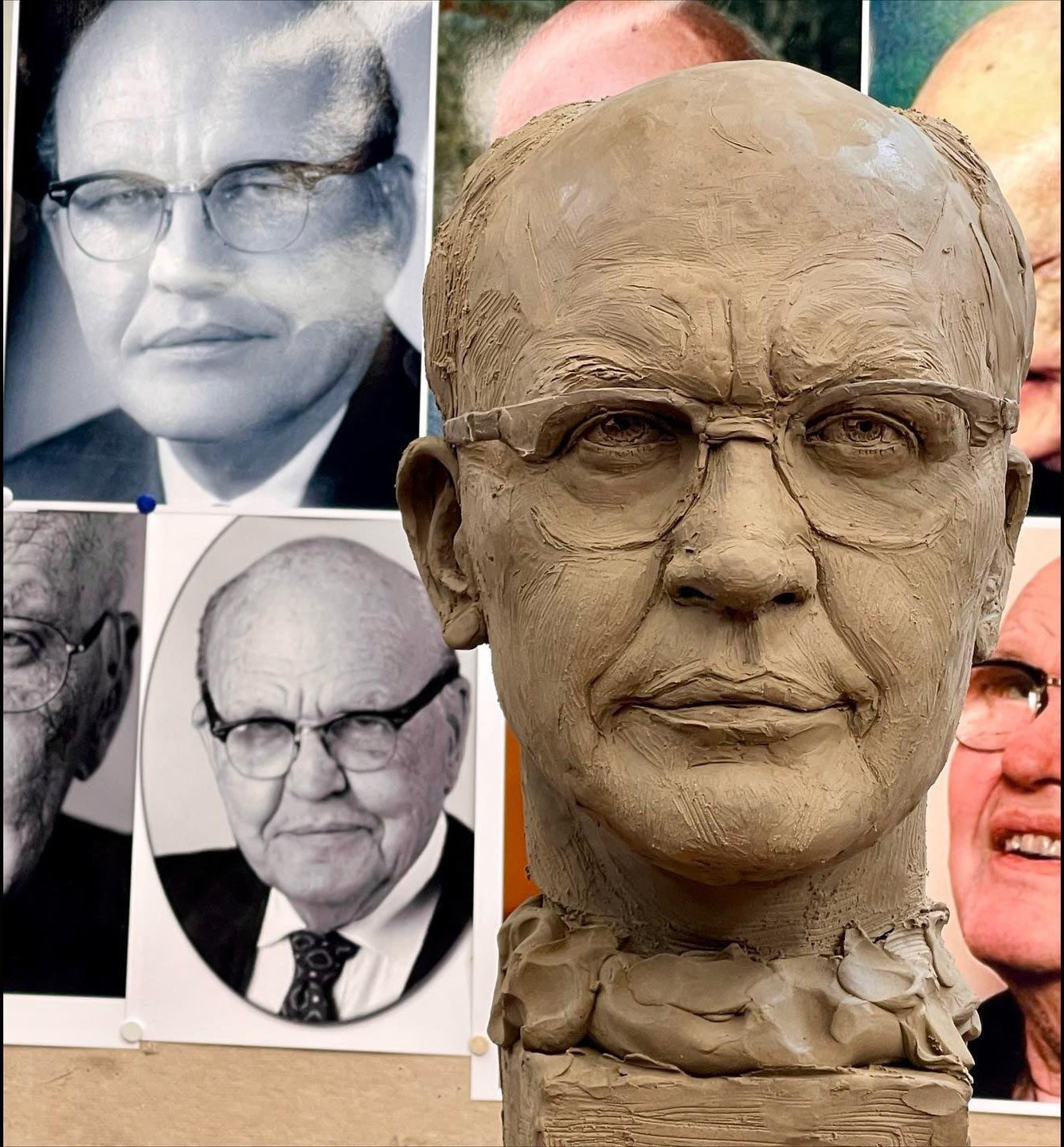
Benjamin Franklin, sculpted here by Zenos Frudakis, is widely regarded as one of America’s most influential Founders and is often called the “Father of the American Enlightenment”for his commitment to reason, scientific inquiry, and civic progress. A true polymath, Franklin made enduring contributions to science, politics, diplomacy, literature, and public life.
Among the Founding Fathers, he is the only one to have signed all three foundational documents that gave birth to the nation: the Declaration of Independence, the Treaty of Paris, and the Constituion of the United States. His diplomatic skills helped secure vital alliances during the American Revolution, while his scientific achievements—including groundbreaking experiments with electricity—reshaped global understanding of natural phenomena.
Franklin’s inventive mind produced practical innovations such as the lightning rod, bifocals, and the Franklin stove, each designed to improve everyday life. His legacy endures as a testament to curiosity, ingenuity, and a lifelong dedication to the public good.
Monumental Sculpture / Portrait Statue
Size: 7-feet high
Media: Clay (final cast in bronze)
Dedication: TBD
Location / Collection: TBD
⭐ America 250—Franklin’s Lasting Influence as Father of the Nation
Benjamin Franklin was a Founding Father of the United States—an author, printer, political theorist, postmaster, scientist, inventor, civic leader, statesman, and diplomat. A central figure of the American Enlightenment, he helped shape the nation’s early scientific, intellectual, and civic identity.
His influence did not stem from a single philosophical treatise, but from a lifetime of applying Enlightenment principles—reason, experimentation, and public service—to real-world challenges. Franklin championed the idea that individuals could continually improve themselves through learning and hard work. He believed that if enough people pursued personal betterment, the cumulative effect would elevate the nation as a whole—a vision that helped define what we now call the American Dream.
Key Contributions to Enlightenment Thought, Scientific Inquiry and Innovation
Driven by curiosity, Franklin conducted groundbreaking electrical experiments, including the famous kite experiment demonstrating lightning as electricity. His discoveries led to widely beneficial inventions such as the lightning rod, bifocals, and the Franklin stove.
Promotion of Knowledge and Education
Franklin believed deeply in the power of literacy and shared learning. He founded the Library Company of Philadelphia, the first subscription library; the American Philosophical Society, encouraging scientific exchange; and the Academy of Philadelphia, which later became the University of Pennsylvania.
Civic Engagement and Public Service
Committed to improving society, Franklin initiated numerous civic institutions—Philadelphia’s first volunteer fire company, a public hospital, and systems for organized street paving and lighting—all created through practical, community-driven action.
Literary Influence
Through widely circulated writings such as the Pennsylvania Gazette and Poor Richard’s Almanack, Franklin promoted values of industry, curiosity, and self-improvement, shaping the emerging American identity and the ideal of the “self-made man.”
In essence, Franklin personified the Enlightenment ideal of using reason and industry to improve oneself and society, leaving an indelible mark on American culture and history.